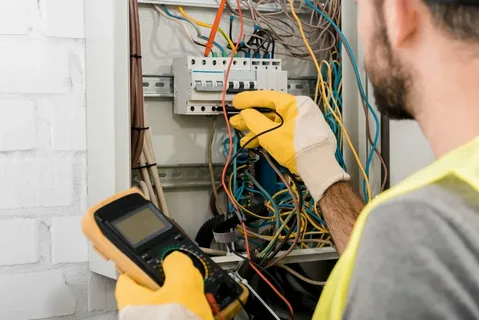
Choosing the right electrical provider begins with understanding what your property actually needs. Whether you own a home, operate a business, manage a rental property, or are planning an electrical improvement, the right service should address the underlying requirement rather than provide a temporary fix. In a growing and technology-driven market such as San Jose, properties increasingly depend on reliable electrical systems for appliances, lighting, HVAC equipment, security systems, computers, EV charging, and other connected technologies. That makes professional evaluation an important first step when selecting Specialty Services in San Jose, CA.
A good starting point is to identify the symptoms, project goals, and expected electrical load of the property. For example, flickering lights, frequently tripped breakers, dead outlets, unusual buzzing sounds, or inconsistent power may indicate an electrical issue that requires professional attention. On the other hand, a remodeling project, new appliance installation, additional circuits, or an EV charger may require planning rather than a simple repair. Understanding the difference helps property owners communicate their needs clearly and select a contractor with the appropriate experience.
Evaluate the Current Electrical System
Before choosing a service, consider the age and condition of the electrical system. Older properties may have outdated components or limited capacity, while newer properties may require specialized installations to support modern technology. Even when an electrical system appears to be working normally, increased demand can expose weaknesses that were not previously noticeable.
Professional electrical repair services can help identify and address problems affecting electrical performance. Instead of assuming that a tripped breaker or flickering light is an isolated issue, a qualified electrician can investigate the cause and determine whether additional electrical components need attention. This approach can provide a more reliable solution and reduce the risk of repeatedly addressing the same symptom.
Homeowners should also consider how their electrical requirements may change over time. Adding major appliances, remodeling a kitchen, creating a home office, installing smart-home equipment, or preparing for electric transportation can increase demand. Discussing these plans before work begins allows an electrician to consider the broader electrical picture.
Match the Service to the Property Type
Residential and commercial properties often have very different electrical requirements. A homeowner may primarily need dependable power for appliances, lighting, heating and cooling equipment, entertainment systems, and everyday household technology. A business may have additional requirements involving computers, specialized equipment, signage, security systems, machinery, emergency systems, or extensive lighting.
This is why property owners should avoid selecting an electrician based solely on a generic service description. The provider should have experience relevant to the property and project. Asking about previous work, the expected process, materials, project scope, and safety considerations can help establish whether the contractor is a suitable fit.
For residential properties, home electrical services can address a variety of electrical needs throughout a house. A professional assessment can help determine whether the problem is limited to one component or connected to a larger issue involving circuits, outlets, wiring, or electrical capacity.
Consider Electrical Capacity and Future Demand
Electrical capacity is another important factor when choosing a service. A property may have worked adequately for years but become less suitable as electricity consumption increases. New appliances, heating and cooling equipment, home offices, entertainment systems, and vehicle charging can all change the property’s electrical requirements.
A panel assessment can help determine whether the existing equipment can support current and anticipated demand. If the electrical panel is outdated, overloaded, damaged, or insufficient for planned improvements, a professional may recommend an upgrade after evaluating the system.
Property owners should not assume that every electrical problem requires replacing major equipment. The correct solution depends on the condition of the existing system, the source of the issue, current capacity, and future requirements. A qualified electrician can explain the available options and help the customer make an informed decision.
Compare Contractors Beyond Price
Price is important, but it should not be the only factor used to select an electrical contractor. Two estimates can appear similar while covering very different scopes of work. One may include necessary materials, testing, cleanup, or additional labor, while another may exclude important project requirements.
Ask each contractor to explain what the quoted work includes. Useful questions include:
- What is the cause of the electrical issue?
- What work is being recommended?
- Which materials or components will be used?
- Are there potential additional costs?
- How long is the project expected to take?
- What testing will be performed after completion?
- Does the proposed solution account for future electrical needs?
Clear answers can make estimates easier to compare and help prevent misunderstandings.
Electrical Service Pricing Considerations
Electrical costs can vary significantly depending on the type of work, property size, accessibility, existing system condition, materials, labor requirements, and project complexity. Because of these variables, property owners should be cautious about choosing a contractor based only on an unusually low starting price.
| Service Consideration | Price Factor |
|---|---|
| Electrical repairs | Diagnosis, parts, labor, and complexity |
| Residential electrical projects | Scope, equipment, wiring, and installation requirements |
| Panel-related work | Panel capacity, equipment, labor, and system condition |
| Specialty projects | Equipment requirements, installation complexity, and site conditions |
The table is intended as a planning guide rather than a fixed price list. An on-site assessment or detailed project discussion is generally needed to determine the actual cost. A transparent estimate should clearly explain the work being proposed so the customer understands what the price represents.
Look for Experience and Trustworthiness
Electrical work requires technical knowledge, careful installation, and attention to safety. This makes experience and trust important factors when evaluating providers. Customers should look for clear communication, professional conduct, relevant experience, transparent recommendations, and a willingness to explain the reasoning behind proposed work.
E-E-A-T principles are particularly useful when evaluating electrical information online. Helpful content should demonstrate real-world expertise, provide practical information, avoid unsupported claims, and make it easy for readers to understand their options. For an electrical company, trust can also be strengthened by clearly explaining services, project considerations, safety practices, and the types of properties served.
A reliable contractor should not pressure a customer into unnecessary work. Instead, the discussion should focus on identifying the actual problem, explaining possible solutions, and helping the property owner choose an option that makes sense for the property’s condition and intended use.
Think About Long-Term Electrical Needs
The best electrical decision is not always the one that solves only today’s problem. Property owners should consider what they may need over the next several years. A homeowner planning an EV charger, home renovation, additional HVAC equipment, or smart-home upgrades may benefit from discussing those plans before completing current electrical work.
Businesses should similarly consider future equipment, lighting improvements, expansions, technology upgrades, and changes in electrical demand. Planning ahead can help avoid unnecessary rework and make future projects easier to manage.
San Jose properties are increasingly influenced by energy-efficient technology and electrification. As electrical demand changes, choosing a provider capable of handling both standard and specialty requirements can make the overall process more efficient.
Make the Final Decision Carefully
Before hiring an electrical provider, review the proposed scope of work, estimated cost, timeline, communication process, and expected outcome. Avoid making a decision based entirely on the lowest quote. Instead, consider whether the provider understands the property, can explain the recommended solution, and has the experience appropriate for the project.
The right electrical service should provide more than a quick response to an immediate problem. It should help improve reliability, support safety, accommodate the property’s needs, and provide a sensible path for future electrical requirements.
By evaluating the property first, identifying the actual electrical need, comparing service providers carefully, and considering both present and future requirements, San Jose property owners can make a more informed decision when choosing specialty electrical solutions.
How to Choose Electrical Solutions for Commercial Properties
Choosing electrical services for a commercial property requires a different approach from selecting solutions for a typical residence. Businesses depend on electricity for lighting, computers, heating and cooling, security systems, equipment, communications, signage, and day-to-day operations. An electrical issue that appears minor can quickly affect productivity, customer experience, employee safety, or business continuity. For this reason, property owners and managers should evaluate the contractor’s experience, the property’s electrical requirements, the proposed scope of work, and the long-term reliability of the solution before making a decision.
San Jose has a wide range of commercial properties, including offices, retail locations, restaurants, professional facilities, warehouses, and mixed-use buildings. Each type of property can have different electrical demands. A contractor should therefore begin by understanding how the building is used rather than applying the same solution to every project. A detailed assessment can identify existing limitations and help determine what work is appropriate for the building.
Evaluate the Building’s Electrical Requirements
The first step is to understand how electricity is currently being used throughout the property. Consider the number of occupants, operating hours, equipment, lighting requirements, HVAC systems, technology infrastructure, and any specialized machinery. Businesses that operate for long hours may have different electrical and lighting requirements from companies that use their facilities only during standard office hours.
A professional evaluation can also identify areas where electrical systems may be inefficient or underperforming. For example, outdated lighting may increase energy consumption while providing poor illumination. Insufficient circuits can create operational limitations, while aging components may require more frequent maintenance.
When planning an electrical project, business owners should also consider future growth. If a company expects to add equipment, expand its workspace, renovate the property, or increase operating capacity, these plans should be discussed with the electrical contractor before work begins.
Improve Commercial Lighting Performance
Lighting is one of the most visible parts of a commercial electrical system. It influences how employees work, how customers experience a business, and how a property looks from the outside. Poorly designed lighting can create dark areas, glare, inconsistent illumination, or unnecessary energy consumption.
Commercial lighting services can help businesses address lighting requirements according to the property’s layout and purpose. A professional approach considers factors such as fixture placement, brightness, controls, operating schedules, energy efficiency, and the type of environment being illuminated.
For offices, effective lighting can contribute to a comfortable working environment. Retail businesses may need lighting that highlights products and creates a welcoming atmosphere. Restaurants, warehouses, and service facilities can have completely different requirements.
Businesses should also evaluate whether lighting controls could improve efficiency. Timers, occupancy controls, and other appropriate technologies can help manage when lighting operates. The objective should not simply be to install brighter fixtures, but to create a lighting system that is practical for the building and its users.
Consider Outdoor Lighting Requirements
Exterior lighting serves several purposes beyond appearance. It can help illuminate entrances, parking areas, walkways, loading zones, signage, and other exterior spaces. Well-planned outdoor illumination can also contribute to visibility and a property’s overall appearance after dark.
Outdoor lighting services should be selected according to the property’s layout and intended use. A commercial site may need different lighting around pedestrian areas than it does around vehicle entrances or service zones. The placement and direction of fixtures should be considered carefully so that important areas receive suitable illumination without creating unnecessary glare.
Property managers should also consider maintenance when choosing outdoor lighting equipment. Fixtures installed in exposed areas experience environmental conditions that can affect their performance over time. Selecting appropriate equipment and planning for maintenance can contribute to a more dependable exterior lighting system.
Understand Commercial Electrical Capacity
Lighting is only one part of a commercial building’s electrical requirements. Businesses may operate computers, refrigeration equipment, HVAC systems, kitchen equipment, machinery, charging equipment, security technology, and other high-demand devices.
A suitable contractor should consider how these loads interact with the building’s existing electrical infrastructure. If a business is adding new equipment, it is important to determine whether the current system can safely support the additional demand.
A professional evaluation may include reviewing electrical panels, circuits, equipment connections, wiring, and other relevant components. The exact work required depends on the property and project. Avoid assuming that adding equipment is simply a matter of installing another outlet or connection.
Select a Contractor Based on Commercial Experience
Commercial electrical work can involve larger systems, more complex scheduling, and greater operational consequences than residential projects. When comparing contractors, ask whether they have experience with projects similar to yours.
For example, a restaurant may need a contractor familiar with the electrical demands associated with commercial kitchen equipment. A retail business may prioritize lighting and signage. An office may require electrical support for technology and workspace improvements. A warehouse may have different needs involving equipment, lighting, and larger operating areas.
This is why relevance matters. A contractor with experience that closely matches the building type may be better positioned to understand the practical requirements of the project.
Compare Project Scope and Estimates
Businesses should request clear estimates before authorizing significant electrical work. The estimate should make it possible to understand the scope of the project and identify major cost factors.
Rather than comparing only the final number, compare what each proposal includes. Look at materials, labor, installation requirements, equipment, testing, cleanup, and any other stated project components.
A transparent proposal can also make it easier to plan a business budget. If additional work may be required depending on what is discovered during the project, that possibility should be communicated before work begins.
Consider Energy Efficiency
Energy efficiency can be an important consideration for commercial properties because lighting and electrical equipment may operate for many hours each day. Efficient equipment and appropriate controls can potentially reduce unnecessary electricity consumption.
However, businesses should avoid choosing equipment based solely on an energy-efficiency claim. The solution must also be appropriate for the building, compatible with the existing electrical system, and suitable for the intended application.
An experienced electrical contractor can help evaluate whether an upgrade makes practical sense based on the property’s usage and current infrastructure.
Plan Around Business Operations
Electrical work inside an operating business requires careful scheduling. An outage or installation project may interrupt employees, customers, equipment, or essential operations.
Before beginning work, discuss scheduling requirements with the contractor. Some projects may be easier to complete outside normal business hours, while others can be divided into phases to reduce disruption.
Good communication is especially important when electrical work affects critical business systems. Property managers should understand what areas may be temporarily unavailable and how long the work is expected to take.
Protect Long-Term Reliability
The goal of commercial electrical work should be more than completing an installation as quickly as possible. The system should be appropriate for the building’s current needs and flexible enough to accommodate reasonable future changes.
Regular evaluation can help property managers identify issues before they become major disruptions. Businesses should pay attention to signs such as repeated breaker trips, flickering lights, overheating equipment, unusual electrical sounds, or unexplained power interruptions.
Addressing concerns early can make it easier to determine whether maintenance, repair, replacement, or a larger upgrade is appropriate.
Make a Practical Commercial Decision
When selecting a provider for a commercial project, consider technical experience, communication, project planning, safety, service scope, and cost. The strongest choice is usually the contractor that can clearly explain what the property needs and how the proposed solution addresses those requirements.
For San Jose businesses, selecting the right electrical partner can support reliable operations, effective lighting, future technology adoption, and long-term property functionality. A thoughtful evaluation before work begins can reduce surprises and help ensure that the completed project serves the business rather than creating new limitations.
How to Choose Specialty Electrical and Vehicle-Related Solutions
Modern transportation is changing the electrical needs of homes and businesses. Electric vehicles, charging equipment, specialized vehicle systems, and related technologies are becoming increasingly relevant for property owners who want to prepare their buildings for newer forms of transportation. However, selecting the right service requires more than simply choosing a contractor that mentions EVs. The property, electrical capacity, vehicle requirements, equipment location, and expected usage should all be considered before work begins.
When evaluating Specialty Services in San Jose, CA, property owners should first define the purpose of the project. A homeowner may want charging capability for a personal vehicle, while a business may need charging infrastructure for employees, customers, company vehicles, or a growing fleet. The correct solution depends on the intended use and the electrical infrastructure available at the property.
Start With the Vehicle and Property Requirements
Every EV-related project begins with understanding what the vehicle and property require. Different vehicles can have different charging capabilities, connector requirements, charging speeds, and usage patterns. The property itself also determines what is practical. A detached garage, residential driveway, apartment property, office parking area, retail location, or commercial fleet facility may each require a different approach.
Professional electric vehicle services can help property owners evaluate the electrical side of these projects. Instead of selecting equipment first and trying to make it work afterward, the electrical system should be considered as part of the complete installation plan.
Property owners should think about where the vehicle will normally be parked, how frequently it needs charging, how much charging time is acceptable, and whether more than one vehicle may eventually require access to charging equipment.
Evaluate Available Electrical Capacity
One of the most important considerations in an EV-related electrical project is available capacity. Charging equipment can add a significant electrical load, particularly when a property already operates appliances, HVAC equipment, lighting, machinery, or other high-demand devices.
Before installation, an electrician can evaluate the existing electrical system and determine whether it can accommodate the planned equipment. Depending on the property, this may involve reviewing the panel, circuits, wiring, available capacity, and the location of the proposed charging equipment.
This step helps prevent a common mistake: assuming that any available outlet is automatically suitable for EV charging. The correct installation depends on the equipment, electrical requirements, circuit configuration, and property conditions.
Think About Charging Location
The physical location of charging equipment matters just as much as its electrical requirements. Homeowners may install charging equipment in a garage, carport, or exterior area. Businesses may consider parking lots, employee parking spaces, customer areas, or fleet facilities.
The location should provide convenient vehicle access while also allowing the electrical installation to be completed appropriately. Cable routing, weather exposure, physical protection, accessibility, and distance from the electrical equipment can all influence the project.
For outdoor installations, the selected equipment should be appropriate for the environment in which it will operate. Professional planning can help identify practical installation considerations before work begins.
Consider Future EV Growth
A property that currently needs one charging connection may eventually need more. A household may purchase an additional EV, while a business could transition part of its fleet to electric vehicles.
This makes future planning valuable. Property owners should communicate their longer-term goals to the electrician. Even if the immediate project involves only one charging point, understanding possible future demand may influence equipment selection, circuit planning, and the overall installation strategy.
Businesses should be particularly careful when planning for multiple vehicles. Fleet charging can create substantially different electrical demands from a single residential EV.
Understand Specialty Vehicle Requirements
Not every vehicle-related electrical project is limited to standard passenger EV charging. Some properties may support specialized vehicles, equipment, or transportation applications that have different electrical requirements.
Specialty vehicle services can be relevant when the project involves vehicle-related electrical needs outside a basic residential charging setup. The exact requirements should be evaluated according to the vehicle, equipment, intended use, and installation environment.
Before choosing a service provider, explain the complete project rather than using only a general description. Providing details about the vehicle, equipment, location, expected usage, and future plans can help the contractor determine what type of electrical solution is appropriate.
Consider Safety and Installation Quality
Electrical charging equipment should be installed with careful attention to the property’s electrical system and the equipment manufacturer’s requirements. Improper installation can create performance problems and may introduce unnecessary safety concerns.
A professional installation should consider the appropriate circuit, connections, equipment placement, and system compatibility. Property owners should also follow the manufacturer’s operating and maintenance recommendations after installation.
The objective is not simply to make the charger function. The installation should be integrated properly into the property’s electrical infrastructure.
Choosing an EV Service Provider
When comparing providers, look for relevant experience rather than choosing based on advertising language alone. Ask whether the contractor has handled projects similar to yours and whether they can explain the electrical requirements clearly.
A strong provider should be able to discuss:
- Existing electrical capacity
- Proposed equipment requirements
- Installation location
- Circuit considerations
- Expected project scope
- Potential future expansion
- Maintenance and operational considerations
Clear communication helps property owners understand what is being installed and why.
When Searching Locally, Focus on the Actual Service
People often begin their search with phrases such as electrical repair services near me because they want a nearby professional who can respond to an electrical concern. However, proximity should not be the only selection factor for a specialty project.
A provider’s experience with the specific type of electrical work matters. For an EV or specialty vehicle project, customers should make sure the contractor understands the electrical requirements involved rather than assuming that every general electrical provider offers the same level of specialty experience.
Local availability can be valuable because it may simplify communication, scheduling, and follow-up service. Nevertheless, the final decision should still be based on qualifications, project fit, transparent communication, and the property’s actual needs.
Prepare Before Requesting an Estimate
Property owners can make the consultation more productive by gathering useful information before contacting a contractor. This may include the vehicle make and model, charging equipment being considered, property type, parking location, electrical panel information, and any known electrical issues.
For commercial customers, it can also help to provide information about the number of vehicles, expected charging frequency, operating hours, and possible future expansion.
The more accurately the contractor understands the project, the easier it becomes to discuss potential installation options and identify questions that need to be answered before work begins.
Make the Decision With Long-Term Value in Mind
Choosing specialty electrical services for vehicles should be treated as a long-term infrastructure decision. The right installation should support the property’s present needs while considering realistic future requirements.
A rushed installation may solve an immediate charging need but create limitations later. A carefully planned project can provide a more practical foundation for changing transportation habits, additional vehicles, and evolving technology.
For San Jose property owners, EV-related electrical planning is becoming an increasingly important part of modern property management. By evaluating electrical capacity, vehicle requirements, installation location, future demand, safety, and contractor experience, customers can make a more informed decision and choose a solution that fits their property.
How to Choose the Right Residential Electrical and Lighting Solutions
Choosing electrical services for a home requires more than finding someone who can complete a repair quickly. Residential electrical systems support nearly every part of modern life, from kitchen appliances and heating and cooling equipment to home offices, entertainment systems, security devices, smart-home technology, and outdoor features. When something goes wrong, homeowners need a solution that addresses the underlying problem while keeping the property’s future electrical requirements in mind.
San Jose homeowners may live in properties with very different ages, layouts, electrical systems, and energy demands. An older home may require an assessment of existing wiring and electrical capacity, while a recently renovated property may need electrical work to support new appliances, lighting, or technology. Because of these differences, the best approach is to evaluate the property and its specific requirements before deciding which service is appropriate.
Start by Identifying the Actual Problem
The first step is determining what is happening with the electrical system. Homeowners may notice flickering lights, outlets that stop working, breakers that trip repeatedly, unusual buzzing sounds, warm switches, or inconsistent power. These symptoms can have different causes, so replacing a single component without identifying the underlying issue may not provide a lasting solution.
A professional evaluation can help determine whether the issue involves an individual outlet, circuit, fixture, wiring component, panel, or another part of the electrical system. Homeowners should explain when the problem started, how frequently it occurs, and whether it happens when specific appliances or equipment are operating.
Providing this information can help the electrician understand the situation more efficiently. It is also useful to mention any recent renovations, appliance installations, electrical modifications, or other changes to the property.
Know When to Seek Professional Help
Some electrical problems should not be treated as do-it-yourself projects. Electricity can present serious safety risks when wiring, circuits, panels, or other components are handled incorrectly. Homeowners who notice burning smells, visible damage, sparking, overheating, repeated breaker trips, or unexplained electrical behavior should take the issue seriously.
Searching for home electrical repair services near me can be a starting point for homeowners looking for professional assistance in their area. However, location should only be one factor in the decision. The provider’s experience, communication, service scope, and ability to address the particular issue are equally important.
A qualified professional should be willing to explain the suspected problem and the recommended solution rather than immediately proposing unnecessary replacements. Clear explanations allow homeowners to make informed decisions about their property.
Evaluate Lighting as Part of the Overall Home
Lighting is often treated as a simple decorative feature, but it can affect functionality, comfort, visibility, and the overall appearance of a home. Different rooms require different lighting approaches. A kitchen may need strong task lighting, a living room may benefit from adjustable ambient lighting, and hallways or stairways require appropriate visibility.
When homeowners search for lighting services near me, they should consider the complete purpose of the project rather than focusing only on replacing individual fixtures. The placement, brightness, controls, fixture type, room usage, and energy consumption can all influence the final result.
Outdoor areas should also be considered when planning residential lighting. Entrances, pathways, patios, driveways, and other exterior spaces may require suitable illumination based on how the property is used.
Consider Energy Efficiency
Energy efficiency can be an important part of residential electrical planning. Lighting and electrical equipment can contribute to household energy consumption, particularly when fixtures operate for extended periods.
Homeowners should consider whether existing lighting and electrical equipment are appropriate for current needs. Efficient fixtures, suitable controls, and properly planned installations can help reduce unnecessary energy use. However, efficiency should not be evaluated in isolation. The equipment should also provide suitable illumination, function correctly with the existing electrical system, and meet the practical needs of the room.
An electrician can help homeowners understand which improvements may provide meaningful benefits and which changes may have limited value.
Think About Home Renovations
Renovations are an ideal time to review electrical requirements. Remodeling a kitchen, bathroom, basement, garage, or home office can change how electricity is used throughout the property.
New appliances may require additional circuits. A redesigned room may need new lighting. A home office may require additional outlets and equipment connections. A garage renovation could introduce higher electrical demand through tools, appliances, or vehicle charging.
Discussing electrical requirements before construction begins can help prevent inconvenient changes later. It also allows electrical work to be coordinated with other renovation activities.
Review Electrical Capacity Before Adding Equipment
Modern homes can have substantially higher electrical demands than older properties were originally designed to handle. Homeowners may use multiple computers, large appliances, HVAC equipment, entertainment systems, smart-home devices, and other electrical technology at the same time.
Before adding major equipment, it is useful to determine whether the existing electrical system can support the additional demand. An electrician can assess relevant components and identify whether additional circuits, equipment changes, or other improvements may be appropriate.
This is particularly important when homeowners are planning several upgrades at once. Installing multiple high-demand devices without considering the total electrical load can create unnecessary strain on the system.
Choose a Contractor Who Communicates Clearly
Good communication is an important part of any residential electrical project. Homeowners should be able to understand what work is recommended, why it is needed, what materials are involved, and what the expected process will be.
Before approving a project, ask for a clear explanation of the work. If there are multiple possible solutions, ask the contractor to explain the differences between them. A trustworthy provider should help the homeowner understand the advantages and limitations of the available options.
Written estimates can also make project planning easier. The estimate should clearly describe the expected scope and identify significant cost factors rather than providing an unclear total with no explanation.
Avoid Choosing Based Only on the Lowest Quote
Cost matters, but the lowest estimate is not automatically the best option. Electrical work involves materials, labor, technical knowledge, testing, and careful installation. An unusually low quote may not include the same scope of work as another proposal.
Homeowners should compare estimates based on what is actually included. Consider the proposed materials, project scope, expected completion process, communication, and overall value.
The objective should be to obtain dependable electrical work that addresses the property’s needs rather than simply reducing the initial expense.
Consider Future Technology
Residential electrical requirements are continuing to evolve. Homeowners may eventually add electric vehicles, smart-home devices, energy-management technology, upgraded HVAC equipment, home offices, or other electrical systems.
When completing an electrical project today, it can be useful to discuss realistic future plans with the contractor. This does not mean installing unnecessary equipment immediately. Instead, it means considering whether today’s work should account for foreseeable changes.
Planning intelligently can help reduce the likelihood of having to redesign the electrical system every time a new technology or appliance is added.
Maintain the System After the Project
Choosing the right service is only part of maintaining a reliable home electrical system. Homeowners should also pay attention to changes in electrical performance after the work is completed.
Repeated breaker trips, flickering lights, unusual sounds, overheating, damaged outlets, or unexplained power interruptions should not be ignored. Early attention may make it easier to identify the cause before the issue becomes more disruptive.
Homeowners should also keep records of significant electrical work, equipment installations, and upgrades. These records can be useful when planning future projects or explaining the property’s electrical history to a professional.
Make a Decision Based on Safety, Fit, and Long-Term Value
The right residential electrical solution should match the property’s current condition, intended use, and realistic future needs. Homeowners can make better decisions by identifying the actual problem, evaluating electrical capacity, considering lighting and energy requirements, comparing contractors carefully, and asking clear questions before approving work.
A professional approach also helps homeowners avoid unnecessary work. Instead of replacing components based on assumptions, the focus should remain on diagnosis, appropriate solutions, quality workmanship, and long-term reliability.
For San Jose homeowners, careful electrical planning can support a safer, more functional, and more adaptable property. Whether the project involves a repair, lighting improvement, renovation, or preparation for new electrical technology, selecting the right service provider is an important part of achieving a dependable result.
How to Choose the Right Electric Vehicle Repair and Specialty Support
As electric vehicles become a more common part of everyday transportation, property owners increasingly need reliable electrical support for charging equipment, vehicle-related systems, and specialty applications. Choosing the right provider requires an understanding of both the vehicle and the electrical infrastructure supporting it. A service that works well for one property may not be appropriate for another, so the decision should be based on the specific equipment, location, usage pattern, and electrical capacity involved.
For homeowners and businesses in San Jose, EV-related electrical planning can be particularly important when existing properties were not originally designed around electric transportation. Before selecting a contractor, it is useful to understand what the vehicle requires, how often it will be charged, where charging equipment will be located, and whether the property’s electrical system has enough capacity.
Understand What the Vehicle Requires
Different electric vehicles can have different charging capabilities and electrical requirements. Before scheduling service, identify the vehicle’s make and model and review the manufacturer’s charging recommendations. This information can help establish what type of equipment may be appropriate.
Customers should avoid choosing charging equipment simply because it is advertised as faster or more powerful. The best option depends on the vehicle’s capabilities, the electrical system, available capacity, installation location, and the owner’s actual charging needs.
A professional can evaluate these factors and explain the practical options available for the property.
Evaluate the Existing Electrical Infrastructure
One of the most important steps is reviewing the property’s existing electrical system. A home or commercial building may already have significant electrical loads from HVAC systems, appliances, lighting, computers, machinery, and other equipment.
Adding EV charging without considering those existing loads can create unnecessary electrical challenges. A professional assessment can help determine whether the current panel, circuits, wiring, and related components are suitable for the planned installation.
If additional electrical work is required, the contractor should explain why it is necessary and how it will support the intended charging equipment.
Choose the Charging Location Carefully
The location of charging equipment can affect convenience, installation complexity, and long-term usability. At a residence, homeowners may consider a garage, carport, driveway, or another suitable parking area. Commercial properties may need charging locations in employee parking areas, customer spaces, fleet facilities, or designated vehicle areas.
The distance between the charging location and the electrical equipment can influence installation requirements. Cable routing, wall access, environmental exposure, physical protection, and vehicle positioning should all be considered.
For exterior installations, equipment should be suitable for the environment in which it will operate. A professional can help identify practical installation considerations before work begins.
Consider Charging Frequency
The right charging solution depends partly on how frequently the vehicle is used. Someone who drives only short distances each day may have different requirements from someone who travels extensively or manages several electric vehicles.
Businesses should also consider operating schedules. A company fleet that needs vehicles available throughout the day may have different charging requirements from employees who leave their vehicles parked for several hours.
Understanding the actual usage pattern helps prevent overbuilding or underestimating the required charging infrastructure.
Plan for Future Expansion
EV adoption can change over time. A homeowner may eventually own more than one electric vehicle, while a business may gradually add electric vehicles to its fleet.
When discussing the project with an electrician, explain realistic future plans. The goal is not necessarily to install everything immediately, but to understand whether the current project should account for future expansion.
Planning ahead can help property owners avoid unnecessary redesigns and make future upgrades easier to evaluate.
Search for Specialized Local Assistance
When customers search for electric vehicle repair near me, they are usually looking for a provider that can address an EV-related issue without requiring a long-distance service arrangement. Local availability can make scheduling and follow-up more convenient.
However, proximity should not be the only consideration. Customers should evaluate whether the provider understands the type of electrical or vehicle-related service required, can explain the recommended work, and has experience with comparable projects.
A nearby provider that does not have relevant experience may not be the strongest choice for a specialized project. The better approach is to combine local accessibility with appropriate technical expertise and clear communication.
Ask About Diagnosis Before Replacement
If an EV charging system is not operating correctly, replacing equipment immediately may not always be necessary. The problem could involve the power supply, circuit, connections, equipment configuration, or another component.
A proper diagnostic process can help determine the source of the issue before a replacement is recommended. Customers should ask what has been identified, what testing has been performed, and why the proposed solution is considered appropriate.
This approach can prevent unnecessary expenses and help ensure that the actual cause of the problem is addressed.
Consider Safety and Equipment Compatibility
Charging equipment should be compatible with the vehicle and the property’s electrical infrastructure. Installation should also account for appropriate electrical protection, equipment placement, and manufacturer requirements.
Property owners should follow operating and maintenance instructions after installation. If unusual heat, damage, repeated interruptions, or other unexpected behavior occurs, the system should be evaluated rather than repeatedly reset without understanding the cause.
Safety should remain a priority throughout the installation, repair, and maintenance process.
Compare Service Providers Carefully
When evaluating potential contractors, compare more than price. Consider:
- Experience with EV-related electrical projects
- Ability to evaluate the existing electrical system
- Understanding of charging equipment
- Clear project explanations
- Transparent estimates
- Scheduling and communication
- Ability to support future electrical needs
A contractor who can clearly explain the technical considerations can make the process easier for customers who are unfamiliar with EV electrical infrastructure.
Prepare Information Before the Consultation
Customers can make an EV service consultation more productive by preparing basic information. This may include the vehicle model, existing charger or charging equipment, property type, parking location, electrical panel information, and the symptoms of any current problem.
For commercial properties, provide information about the number of vehicles, operating schedules, expected charging frequency, and potential future fleet growth.
Having this information available can help the contractor understand the project more quickly and identify which areas require further evaluation.
Focus on Long-Term Reliability
A successful EV electrical project should provide reliable performance while fitting the property’s overall electrical infrastructure. The goal is not simply to install equipment or repair a current problem, but to create a solution that works appropriately for the way the property and vehicle are used.
As transportation technology continues to evolve, electrical infrastructure will become increasingly important to both residential and commercial properties. Choosing a knowledgeable provider, evaluating the existing system, considering future demand, and prioritizing proper installation can help customers make more informed decisions.
For San Jose property owners, the right EV-related service can provide a practical foundation for current transportation needs while leaving room for future changes. Careful planning and professional evaluation remain the best ways to choose an electrical solution that balances convenience, performance, safety, and long-term value.
How to Evaluate an Electrical Contractor Before Hiring
Choosing the right electrical contractor is an important decision because the quality of the work can affect safety, reliability, energy use, and the long-term performance of a property. A contractor may offer a wide range of services, but that does not automatically mean every provider is equally suitable for every project. Property owners should evaluate experience, communication, project understanding, professionalism, and value before authorizing electrical work.
For homeowners and businesses in San Jose, the selection process should begin with the specific requirements of the property. A small repair, a major renovation, a commercial installation, and a specialty electrical project can all require different levels of planning and expertise. Understanding those differences makes it easier to identify a provider that is appropriate for the job.
Start With the Project Scope
Before contacting an electrician, identify what you already know about the project. If there is an electrical problem, document the symptoms and when they occur. If the project is an installation or upgrade, identify the equipment involved, the intended location, and the purpose of the work.
For larger projects, consider whether the electrical work is connected to a renovation, building expansion, new equipment, lighting improvement, or transportation-related upgrade. Giving the contractor this information can make the initial discussion more productive.
A clear project description also helps prevent misunderstandings. Instead of saying that the property simply needs “electrical work,” explain what you are experiencing or what you want to accomplish.
Look for Relevant Experience
Experience should be evaluated according to the type of project being considered. A contractor who regularly handles residential repairs may not necessarily be the best choice for a complex commercial installation. Similarly, a contractor with general electrical experience may not have the same level of experience with specialty vehicle or EV-related projects.
Ask potential providers about comparable work they have completed. The goal is to determine whether they understand the technical and practical requirements of projects similar to yours.
Relevant experience can help a contractor identify common challenges, plan the work efficiently, and provide more realistic recommendations.
Ask Clear Questions
Customers should feel comfortable asking questions before approving electrical work. A professional contractor should be able to explain the proposed work in language that the customer can understand.
Useful questions include:
- What is causing the current issue?
- What solution do you recommend?
- Why is that solution appropriate?
- What materials or equipment will be required?
- How long should the work take?
- Could additional work become necessary?
- What factors could change the final cost?
- What should the customer expect during the project?
The quality of the answers can reveal a great deal about the contractor’s communication and professionalism.
Review the Estimate Carefully
A written estimate can make it easier to understand the proposed project. However, customers should not compare estimates based only on the final dollar amount.
Review what each estimate actually includes. Check whether labor, materials, equipment, testing, cleanup, and other relevant components are clearly addressed. If something is unclear, ask for clarification before authorizing the work.
A low estimate may appear attractive, but if it excludes important project requirements, the final cost may be higher than expected. A slightly higher estimate may provide better overall value if it includes a more complete scope and appropriate materials.
Pay Attention to Communication
Communication is one of the simplest ways to evaluate a service provider before work begins. Contractors should provide clear information about scheduling, project scope, expectations, and potential changes.
Delays and unexpected issues can sometimes occur during electrical projects, particularly when work involves older systems or conditions that cannot be identified until components are inspected. What matters is how those situations are communicated and managed.
A contractor who explains changes clearly and keeps the customer informed can make the overall project experience more predictable.
Consider Safety as a Core Requirement
Electrical work should always be approached with safety in mind. Customers should be cautious of contractors who recommend shortcuts, dismiss obvious electrical concerns, or provide vague explanations about important safety considerations.
Professional electrical work should account for the property’s electrical infrastructure, equipment requirements, installation conditions, and applicable safety considerations. Customers should also avoid attempting complex electrical modifications themselves simply to reduce project costs.
The right contractor should treat safety as part of the job rather than as an optional feature.
Evaluate the Company’s Online Information
A contractor’s website can provide useful information before a customer makes contact. Look for clearly described services, service-area information, project explanations, contact details, and educational content that helps customers understand their options.
However, online claims should be evaluated carefully. A professional-looking website alone does not prove technical expertise. Customers should compare the information on the website with the actual communication they receive from the company.
E-E-A-T principles are useful here. Strong electrical content should demonstrate practical expertise, explain technical topics accurately, and provide useful information instead of relying on exaggerated marketing claims.
Consider Local Knowledge
Local experience can be useful because electrical projects are influenced by the characteristics of the property and its environment. San Jose includes a wide variety of residential and commercial buildings, and electrical requirements can differ considerably between properties.
A locally focused provider may also be more convenient for consultations, scheduling, follow-up service, and future projects. However, local availability should complement technical competence rather than replace it.
The best choice is a provider that combines relevant experience with dependable communication and an understanding of the customer’s actual requirements.
Think About Long-Term Service
A customer’s relationship with an electrical contractor does not necessarily end when a single project is completed. Properties often require additional electrical work as appliances, technology, lighting, vehicles, or business operations change.
Choosing a provider that can understand the property’s broader electrical needs may make future projects easier to plan. Customers should therefore consider whether the contractor offers services relevant to potential future requirements.
This is especially useful for businesses that expect to expand or homeowners who anticipate renovations and new electrical equipment.
Avoid Unnecessary Pressure
Customers should be cautious if a contractor uses excessive pressure to approve work immediately without providing an understandable explanation. Electrical problems can sometimes require prompt attention, but customers should still receive enough information to understand the proposed solution.
A trustworthy provider should explain the issue, discuss the recommended work, and answer reasonable questions. Customers should have an opportunity to understand the project before committing to significant expenses.
Compare Overall Value
The best electrical contractor is not necessarily the cheapest or the most expensive. Overall value depends on the combination of experience, project suitability, communication, workmanship, safety, materials, and cost.
A useful comparison should consider the complete service rather than one number on an estimate. Two contractors may charge different amounts because they are proposing different solutions or using different materials.
Before making the final decision, review the complete scope and determine which provider appears best positioned to meet the property’s requirements.
How to Evaluate an Electrical Contractor Before Hiring
Choosing the right electrical contractor is an important decision because the quality of the work can affect safety, reliability, energy use, and the long-term performance of a property. A contractor may offer a wide range of services, but that does not automatically mean every provider is equally suitable for every project. Property owners should evaluate experience, communication, project understanding, professionalism, and value before authorizing electrical work.
For homeowners and businesses in San Jose, the selection process should begin with the specific requirements of the property. A small repair, a major renovation, a commercial installation, and a specialty electrical project can all require different levels of planning and expertise. Understanding those differences makes it easier to identify a provider that is appropriate for the job.
Start With the Project Scope
Before contacting an electrician, identify what you already know about the project. If there is an electrical problem, document the symptoms and when they occur. If the project is an installation or upgrade, identify the equipment involved, the intended location, and the purpose of the work.
For larger projects, consider whether the electrical work is connected to a renovation, building expansion, new equipment, lighting improvement, or transportation-related upgrade. Giving the contractor this information can make the initial discussion more productive.
A clear project description also helps prevent misunderstandings. Instead of saying that the property simply needs “electrical work,” explain what you are experiencing or what you want to accomplish.
Look for Relevant Experience
Experience should be evaluated according to the type of project being considered. A contractor who regularly handles residential repairs may not necessarily be the best choice for a complex commercial installation. Similarly, a contractor with general electrical experience may not have the same level of experience with specialty vehicle or EV-related projects.
Ask potential providers about comparable work they have completed. The goal is to determine whether they understand the technical and practical requirements of projects similar to yours.
Relevant experience can help a contractor identify common challenges, plan the work efficiently, and provide more realistic recommendations.
Ask Clear Questions
Customers should feel comfortable asking questions before approving electrical work. A professional contractor should be able to explain the proposed work in language that the customer can understand.
Useful questions include:
- What is causing the current issue?
- What solution do you recommend?
- Why is that solution appropriate?
- What materials or equipment will be required?
- How long should the work take?
- Could additional work become necessary?
- What factors could change the final cost?
- What should the customer expect during the project?
The quality of the answers can reveal a great deal about the contractor’s communication and professionalism.
Review the Estimate Carefully
A written estimate can make it easier to understand the proposed project. However, customers should not compare estimates based only on the final dollar amount.
Review what each estimate actually includes. Check whether labor, materials, equipment, testing, cleanup, and other relevant components are clearly addressed. If something is unclear, ask for clarification before authorizing the work.
A low estimate may appear attractive, but if it excludes important project requirements, the final cost may be higher than expected. A slightly higher estimate may provide better overall value if it includes a more complete scope and appropriate materials.
Pay Attention to Communication
Communication is one of the simplest ways to evaluate a service provider before work begins. Contractors should provide clear information about scheduling, project scope, expectations, and potential changes.
Delays and unexpected issues can sometimes occur during electrical projects, particularly when work involves older systems or conditions that cannot be identified until components are inspected. What matters is how those situations are communicated and managed.
A contractor who explains changes clearly and keeps the customer informed can make the overall project experience more predictable.
Consider Safety as a Core Requirement
Electrical work should always be approached with safety in mind. Customers should be cautious of contractors who recommend shortcuts, dismiss obvious electrical concerns, or provide vague explanations about important safety considerations.
Professional electrical work should account for the property’s electrical infrastructure, equipment requirements, installation conditions, and applicable safety considerations. Customers should also avoid attempting complex electrical modifications themselves simply to reduce project costs.
The right contractor should treat safety as part of the job rather than as an optional feature.
Evaluate the Company’s Online Information
A contractor’s website can provide useful information before a customer makes contact. Look for clearly described services, service-area information, project explanations, contact details, and educational content that helps customers understand their options.
However, online claims should be evaluated carefully. A professional-looking website alone does not prove technical expertise. Customers should compare the information on the website with the actual communication they receive from the company.
E-E-A-T principles are useful here. Strong electrical content should demonstrate practical expertise, explain technical topics accurately, and provide useful information instead of relying on exaggerated marketing claims.
Consider Local Knowledge
Local experience can be useful because electrical projects are influenced by the characteristics of the property and its environment. San Jose includes a wide variety of residential and commercial buildings, and electrical requirements can differ considerably between properties.
A locally focused provider may also be more convenient for consultations, scheduling, follow-up service, and future projects. However, local availability should complement technical competence rather than replace it.
The best choice is a provider that combines relevant experience with dependable communication and an understanding of the customer’s actual requirements.
Think About Long-Term Service
A customer’s relationship with an electrical contractor does not necessarily end when a single project is completed. Properties often require additional electrical work as appliances, technology, lighting, vehicles, or business operations change.
Choosing a provider that can understand the property’s broader electrical needs may make future projects easier to plan. Customers should therefore consider whether the contractor offers services relevant to potential future requirements.
This is especially useful for businesses that expect to expand or homeowners who anticipate renovations and new electrical equipment.
Avoid Unnecessary Pressure
Customers should be cautious if a contractor uses excessive pressure to approve work immediately without providing an understandable explanation. Electrical problems can sometimes require prompt attention, but customers should still receive enough information to understand the proposed solution.
A trustworthy provider should explain the issue, discuss the recommended work, and answer reasonable questions. Customers should have an opportunity to understand the project before committing to significant expenses.
Compare Overall Value
The best electrical contractor is not necessarily the cheapest or the most expensive. Overall value depends on the combination of experience, project suitability, communication, workmanship, safety, materials, and cost.
A useful comparison should consider the complete service rather than one number on an estimate. Two contractors may charge different amounts because they are proposing different solutions or using different materials.
Before making the final decision, review the complete scope and determine which provider appears best positioned to meet the property’s requirements.
Make the Final Selection With Confidence
Once the project scope, estimates, experience, communication, and overall value have been evaluated, the final decision becomes easier. The selected contractor should be able to explain the work clearly and demonstrate that the proposed service fits the property’s actual needs.
For San Jose property owners, taking time to evaluate an electrical contractor can help reduce uncertainty and improve the chances of a successful project. Whether the work involves a residential issue, commercial improvement, lighting project, or specialty electrical requirement, careful contractor selection is an important part of achieving reliable long-term results.
How to Plan for Long-Term Electrical Reliability
Choosing an electrical service provider should not be viewed as a one-time decision focused only on solving today’s problem. A property’s electrical requirements can change as appliances, technology, lighting, transportation, business equipment, and energy demands evolve. For homeowners and businesses in San Jose, planning for long-term reliability can make electrical systems more practical, efficient, and adaptable.
A strong electrical plan considers the property’s current condition while also identifying realistic future requirements. This does not mean installing equipment that is not needed. Instead, it means making informed decisions today that avoid unnecessary limitations tomorrow.
Understand the Difference Between Immediate and Future Needs
The first step in long-term planning is separating immediate requirements from future possibilities. If an electrical component has failed, the immediate priority is to identify and address the cause. If the property is being renovated or expanded, however, the electrical plan can also account for expected changes.
For example, a homeowner may currently need additional electrical capacity but later plan to add an EV charger, upgraded HVAC equipment, or a home office. A business may currently need improved lighting but expect to add equipment or expand its operations.
Discussing these possibilities with an electrician can help determine whether the current project should accommodate future demand.
Monitor Changes in Electrical Performance
Property owners should pay attention to changes in how their electrical systems operate. Repeated breaker trips, flickering lights, unusual sounds, overheating, damaged outlets, or unexplained interruptions can indicate that an electrical component requires attention.
These symptoms should not automatically be treated as evidence of one specific problem. Several different conditions can produce similar signs. A professional assessment can help determine the actual cause.
Keeping track of recurring issues can also help the electrician understand when and under what circumstances a problem occurs.
Plan Electrical Improvements Around Property Use
Electrical requirements should reflect how the property is actually used. A home with multiple occupants and high appliance usage may have different requirements from a smaller household. Similarly, an office, restaurant, retail store, warehouse, or service business can have different operational loads.
Before planning improvements, consider the equipment that operates regularly, the building’s busiest periods, and any planned changes to occupancy or operations.
This information helps create a more practical electrical plan and reduces the risk of investing in solutions that do not match the property’s actual needs.
Consider Energy Efficiency Without Sacrificing Function
Energy efficiency can contribute to long-term operating value, particularly in buildings where lighting and electrical equipment operate for many hours each day. However, efficiency should be considered alongside functionality and system compatibility.
An efficient fixture or electrical component is useful only when it is appropriate for the intended application. Lighting, controls, equipment, and installation methods should be selected based on the property’s needs rather than marketing claims alone.
Property owners can discuss efficiency goals with an electrician and determine which improvements may provide meaningful benefits.
Keep Records of Electrical Work
Maintaining records of significant electrical work can make future planning easier. Property owners should consider keeping information about major repairs, installations, upgrades, equipment changes, and other relevant projects.
These records can help a future electrician understand the property’s electrical history. They can also make it easier to identify what has already been changed and which components may still be original.
For commercial properties, organized records can be particularly valuable when multiple managers, contractors, or maintenance teams are involved.
Prepare for New Electrical Technology
Technology continues to influence electrical requirements in both homes and businesses. Smart-home equipment, connected devices, advanced lighting, EV charging, energy-management systems, and newer appliances can all affect how electricity is consumed.
Property owners do not need to adopt every new technology. Instead, they should evaluate which developments are relevant to their property and plan accordingly.
For example, someone considering an EV in the future may want to discuss charging requirements during another electrical project. A business planning new equipment may want to evaluate electrical capacity before purchasing it.
Businesses Should Plan for Expansion
Long-term electrical planning is especially important for businesses because growth can change the property’s electrical requirements. Adding employees, equipment, operating hours, workspaces, or services can increase electrical demand.
Before expanding, business owners should consider whether the existing electrical infrastructure can support the planned changes. Addressing capacity and electrical requirements early can help avoid unexpected limitations during the expansion process.
Lighting should also be considered. A redesigned workspace, additional parking area, new signage, or expanded customer area may require changes to the property’s lighting system.
Consider Maintenance and Inspection Needs
Maintenance can help property owners remain aware of the condition of their electrical systems. The appropriate maintenance approach depends on the property’s age, system condition, usage, equipment, and previous electrical work.
Rather than assuming that every property needs the same maintenance schedule, discuss the property’s circumstances with a qualified professional.
Commercial properties with complex equipment may have different maintenance considerations from residential properties. Businesses should pay particular attention to electrical components that support critical operations.
Avoid Temporary Fixes That Become Permanent
A temporary solution can sometimes become a recurring problem when the underlying cause is never addressed. If a breaker repeatedly trips or an electrical component repeatedly fails, replacing the same part without investigating the reason may not provide a long-term answer.
Property owners should ask why an issue is occurring and whether the recommended repair addresses the cause or only the symptom.
A diagnostic approach can help identify whether the problem is isolated or connected to a larger electrical concern.
Consider Future Property Changes
Property ownership often involves changes over time. Homes may be renovated, expanded, or converted into spaces with different uses. Commercial buildings may change tenants, layouts, equipment, or operating requirements.
Electrical planning should take these possibilities into account when they are reasonably foreseeable. If a major renovation is planned, electrical requirements should be discussed early rather than after construction has already begun.
Early planning can help coordinate electrical work with other contractors and reduce the possibility of expensive modifications later.
Choose a Provider You Can Work With Long Term
Long-term reliability is easier to manage when property owners have access to a knowledgeable electrical provider. A contractor who understands the property’s history and previous work may be able to provide more informed recommendations during future projects.
When selecting a provider, consider whether the company offers the range of services relevant to your property’s likely future needs. This can be particularly valuable for customers managing both routine electrical work and specialty projects.
A strong relationship should be based on transparent communication, appropriate recommendations, professional service, and a clear understanding of the property’s requirements.
Build a Practical Electrical Strategy
A long-term electrical strategy does not have to be complicated. It can begin with a basic understanding of the property’s current electrical condition, known issues, planned improvements, and realistic future needs.
Property owners can then prioritize projects according to urgency and value. Safety-related issues should receive appropriate attention, while optional upgrades can be evaluated based on their benefits and budget.
This approach allows customers to avoid unnecessary spending while still preparing for important changes.
The Value of Planning Ahead
Reliable electrical systems support the daily operation of homes and businesses. When property owners plan ahead, they can make better decisions about repairs, upgrades, lighting, electrical capacity, EV infrastructure, and emerging technologies.
For San Jose property owners, long-term planning is especially useful as electrical demands continue to evolve. Instead of treating every electrical issue as an isolated event, consider how each project fits into the property’s broader needs.
A thoughtful strategy can help improve reliability, reduce unnecessary rework, and make future electrical projects easier to manage. The goal is not to predict every future technology or expense, but to make informed decisions based on the property’s current condition and realistic plans for the years ahead.
How to Make the Final Decision and Get the Most From Your Electrical Service
Selecting the right electrical provider is ultimately about finding a service that matches the property’s needs, project goals, budget, and long-term requirements. After evaluating the electrical system, identifying the required work, comparing contractors, and considering future needs, property owners can make a more confident decision. The final step is to bring all of that information together and determine which provider offers the strongest combination of expertise, communication, safety, service quality, and overall value.
For homeowners and businesses in San Jose, this decision can be especially important because electrical systems increasingly support modern appliances, technology, lighting, heating and cooling, transportation, security, and business equipment. A dependable electrical system is no longer simply about keeping lights on. It is part of how a property functions every day.
Review the Complete Project Scope
Before approving an electrical project, review the complete scope of work one final time. Make sure you understand what the contractor has recommended and why the work is necessary.
The scope should be specific enough to explain the major tasks involved. If the project includes installation, repair, replacement, upgrades, testing, or other work, each component should be reasonably clear.
If something does not make sense, ask questions before the work begins. It is much easier to resolve misunderstandings during the planning stage than after the project has started.
Property owners should also confirm whether the estimate represents the complete expected project or whether certain circumstances could result in additional work. Some conditions cannot be identified until an electrical component is inspected or opened, but potential variables should be communicated as clearly as possible.
Compare the Overall Value
A final decision should not be based on price alone. Cost is an important consideration, but electrical work also involves expertise, materials, workmanship, safety, communication, and long-term performance.
When comparing providers, consider the complete value of each proposal. A contractor who provides a detailed explanation, appropriate materials, careful planning, and clear communication may offer greater value than a provider offering a lower but less comprehensive estimate.
Think about the potential consequences of poor electrical work as well. An inexpensive installation that requires repeated repairs can ultimately cost more than a properly planned project completed by an experienced professional.
Confirm the Contractor Understands Your Goals
Before hiring a provider, make sure the contractor understands what you are trying to accomplish.
For a homeowner, the goal may be to restore reliable power, improve lighting, prepare for new appliances, or support an EV. For a business, the goal may involve improving workplace lighting, supporting new equipment, expanding operations, or making the property more functional.
The contractor’s recommendation should connect directly to that goal. If the proposed work seems unrelated to the problem or objective, ask for an explanation.
A strong professional relationship begins when both parties have the same understanding of what success looks like.
Prioritize Safety Over Convenience
Electrical projects should always be approached with safety as a primary consideration. Property owners should not choose a contractor simply because the provider promises the fastest or cheapest solution.
The appropriate electrical solution may require additional evaluation, careful installation, or changes to existing components. Those steps can sometimes add complexity, but they may be necessary to achieve a reliable result.
Customers should also avoid delaying attention to serious electrical symptoms simply because the system continues to function. Electrical problems can develop gradually, and visible symptoms may not reveal the full extent of an underlying issue.
Consider the Customer Experience
The quality of the customer experience can provide useful insight into how a contractor manages projects. From the first conversation, pay attention to whether the company listens carefully, answers questions, provides useful information, and communicates expectations.
Professional communication should continue throughout the project. Customers should understand when work is scheduled, what areas may be affected, and whether anything changes during the process.
For larger projects, communication becomes even more important because multiple stages may be involved. A clear process can make the project easier for property owners and managers to monitor.
Understand What Happens After the Work
The project does not necessarily end when installation or repair is complete. Customers should understand what happens after the work has been performed.
Ask whether the completed system will be tested, whether the contractor will explain the operation of newly installed equipment, and what information the customer should keep for future reference.
For specialty electrical equipment, understanding basic operation and maintenance requirements can help customers use the system appropriately.
Property owners should also retain relevant documentation associated with significant electrical work. This can provide useful information if future repairs or upgrades are required.
Plan for Future Electrical Changes
Even after completing an electrical project, property owners should remain aware that future needs may change. New appliances, technology, EVs, renovations, business equipment, and building improvements can all affect electrical demand.
This does not mean property owners should constantly upgrade their systems. Instead, future changes should be evaluated when they become relevant.
If a customer is already planning another major project, it can be useful to discuss how that project may interact with recently completed electrical work. Good planning can reduce unnecessary duplication and help maintain a consistent electrical strategy.
Use Local Search With the Right Intent
Online searches can help property owners identify potential electrical providers, but search terms should reflect the actual service required. A broad search may return many companies that offer general electrical work, while a specific project may require a provider with experience in a particular area.
When evaluating search results, look beyond the first few listings. Review the services offered, project information, service areas, customer-facing information, and overall professionalism of the company.
Search visibility alone does not prove that a contractor is the right fit. The final decision should be based on the provider’s ability to meet the property’s specific requirements.
Look for Helpful, Transparent Information
A company’s online content can also help customers evaluate its approach. High-quality information should explain services clearly and help readers understand common electrical considerations without using unnecessary technical language.
For example, useful content should explain why an electrical assessment may be needed, what factors affect project cost, how electrical capacity influences installations, and what customers should consider before choosing a service.
This type of content supports E-E-A-T because it focuses on practical expertise and useful information rather than simply repeating promotional claims.
Property owners should still verify important project details directly with the electrical provider because every property has different conditions.
Create a Simple Decision Checklist
Before selecting a contractor, property owners can review a few essential questions:
- Does the provider understand the specific project?
- Does the contractor have relevant experience?
- Is the proposed scope clear?
- Are major cost factors explained?
- Has the provider answered important questions?
- Does the solution consider safety?
- Is communication professional and consistent?
- Does the proposed work address the actual goal?
- Has the provider discussed reasonable future considerations?
- Does the overall value justify the investment?
If the answer to these questions is consistently positive, the property owner is in a stronger position to make a decision.
Avoid Overcomplicating the Process
Choosing an electrical provider does not have to be overwhelming. The most useful approach is to focus on the property’s actual needs and evaluate providers using consistent criteria.
Start with the problem or project objective. Then identify the type of expertise required, compare suitable contractors, review the proposed scope, ask questions, and evaluate overall value.
This process helps prevent decisions based on assumptions or marketing language alone.
Why the Right Provider Matters
The electrical system supports many of the functions that make a home or business usable. Poorly planned work can create inconvenience, recurring problems, unnecessary expenses, and potential safety concerns. Properly planned electrical work, on the other hand, can support reliable operation and make future improvements easier.
For San Jose property owners, selecting an experienced and trustworthy electrical provider can be an important investment in the property’s long-term functionality. The right contractor should focus on understanding the property, diagnosing problems accurately, explaining options clearly, and completing appropriate work with attention to quality and safety.
Frequently Asked Questions
1. How do I choose the right electrical service for my property in San Jose?
Start by identifying the specific problem or project goal, then consider the property’s current electrical system, capacity, usage, and future requirements. Choose a provider with relevant experience, clear communication, transparent pricing, and a service that matches the actual needs of your property.
2. How much do specialty electrical services in San Jose cost?
The cost varies according to the type of project, property size, existing electrical infrastructure, materials, labor, equipment, accessibility, and project complexity. A professional evaluation and detailed estimate are the best ways to determine the expected cost for a specific property.
3. When should I consider upgrading my electrical system?
An evaluation may be appropriate when a property has repeated breaker trips, insufficient electrical capacity, outdated equipment, frequent electrical problems, or plans to add high-demand appliances, EV charging, new lighting, or commercial equipment. The need for an upgrade should be determined by a qualified professional after reviewing the existing system.
4. What should I look for when hiring an electrical contractor?
Look for relevant project experience, professional communication, a clearly explained scope of work, transparent estimates, attention to safety, and the ability to explain technical recommendations in understandable terms. Do not select a contractor based solely on the lowest quote.
5. Can an electrician help with future electrical planning?
Yes. A qualified electrician can evaluate current electrical requirements and discuss realistic future needs such as additional appliances, lighting improvements, EV charging, commercial equipment, renovations, or increased electrical demand. Planning ahead can help property owners make better decisions and avoid unnecessary rework.
References
- U.S. Department of Energy – Alternative Fuels Data Center: EV charging, infrastructure, and alternative-fuel information. Visit Source
- ENERGY STAR: Information about energy efficiency and electric vehicle charging. Visit Source
- Haywat Electric: Electrical, EV, lighting, commercial, and specialty service information. Visit Haywat Electric
- California Energy Commission: Information about California energy efficiency, building standards, and energy-related requirements. Visit Source
- OSHA – Electrical Safety: General information about electrical hazards and safe work practices. Visit Source