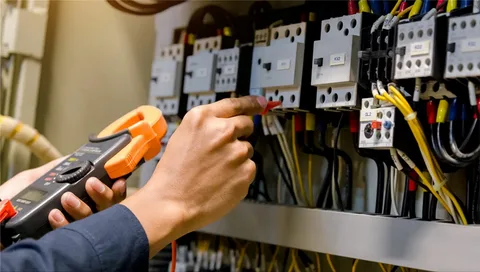
Businesses depend on reliable electrical systems to maintain daily operations, support equipment and provide a safe environment for employees and customers. From office buildings and retail stores to restaurants, warehouses and other commercial facilities, electricity plays an important role in almost every business activity. Professional Electrical Services in Campbell, CA help property owners address electrical problems, improve existing systems and prepare their buildings for changing operational requirements.
Commercial properties have different electrical demands depending on their size, layout, equipment and intended use. An office may require additional circuits for computers and workstations, while a retail store may need improved lighting and electrical connections for display equipment. Restaurants often depend on specialized electrical connections for kitchen appliances, refrigeration and ventilation systems. These requirements make proper electrical planning an important part of commercial property management.
Haywatt Electric provides electrical solutions for residential and commercial properties in its service areas. Businesses looking for electrical repairs, installations, lighting improvements or system upgrades can discuss their requirements and determine which solutions are suitable for their properties.
Whether you are managing an existing commercial building, preparing a space for a new tenant or planning an electrical improvement project, understanding your property’s electrical requirements can help you make better decisions.
Why Do Campbell Businesses Need Professional Commercial Electrical Solutions?
Commercial electrical systems support several important functions, including lighting, power distribution, equipment operation, communication systems and other building requirements. When these systems experience problems, normal business activities may become difficult to maintain.
For example, an office experiencing repeated breaker trips may struggle to operate multiple workstations. A retail store with unreliable lighting may have difficulty maintaining suitable visibility for customers. Similarly, a restaurant installing new kitchen equipment may discover that its existing electrical circuits are not suitable for the additional demand.
These situations require more than temporary fixes. A professional assessment can help identify the underlying electrical issue and determine the appropriate repair or improvement.
Commercial properties may require different electrical solutions depending on their circumstances:
Electrical repairs: Addressing damaged wiring, faulty connections, malfunctioning outlets and recurring electrical problems.
Electrical installations: Adding new circuits, outlets, fixtures and equipment connections.
Electrical upgrades: Improving existing electrical infrastructure to accommodate changing requirements.
Lighting improvements: Replacing outdated fixtures and improving illumination in different building areas.
Electrical assessments: Evaluating visible electrical conditions and identifying components that may require further attention.
Haywatt Electric offers Commercial Electrical Services for businesses requiring professional electrical assistance.
The appropriate solution depends on the existing system, the property’s intended use and the electrical requirements of the proposed work. Businesses should have these factors evaluated before making decisions about major installations or upgrades.
What Electrical Requirements Do Different Commercial Properties Have?
Not every commercial building uses electricity in the same way. The requirements of an office are different from those of a restaurant, retail store or warehouse. Understanding these differences helps businesses identify suitable electrical improvements.
Electrical Solutions for Office Buildings
Modern offices depend on electrical systems to operate computers, printers, monitors, networking equipment, lighting and communication devices. As businesses expand, the number of connected devices and workstations may increase.
An existing electrical arrangement that supported a smaller office may need modifications when additional employees or equipment are introduced.
Office electrical requirements may include:
Installing additional power outlets.
Adding circuits for new workstations.
Evaluating existing electrical panel capacity.
Troubleshooting power interruptions.
Replacing damaged electrical components.
Installing suitable interior lighting.
Providing electrical connections for specialized equipment.
For example, an office renovation that changes an open workspace into separate rooms may require outlets and lighting to be relocated. Planning these modifications before construction is completed can help reduce unnecessary rework.
Electrical Requirements for Retail Stores
Retail businesses need functional electrical systems to support customer areas, display equipment, payment terminals, storage spaces and security systems.
Lighting is particularly important because different areas of a store may require different levels and arrangements of illumination.
A retail property may need electrical assistance with:
Display lighting installations.
Additional electrical outlets.
Dedicated equipment circuits.
Exterior lighting.
Lighting repairs.
Electrical connections for signs.
Troubleshooting recurring electrical faults.
If several lighting fixtures stop working or flicker repeatedly, the problem may involve the electrical circuit rather than individual bulbs. Investigating the source of the issue can help identify the appropriate repair.
Electrical Requirements for Restaurants
Restaurants often have substantial electrical requirements because multiple appliances and building systems operate throughout the day.
Refrigeration, cooking equipment, ventilation, lighting and payment systems all depend on appropriate electrical connections.
Before introducing new appliances, restaurant owners should review the equipment’s electrical specifications. Voltage, amperage, circuit requirements and installation conditions should be considered to determine whether the existing electrical infrastructure is suitable.
Commercial electrical work in restaurants may involve equipment connections, dedicated circuits, wiring improvements, lighting installations and troubleshooting.
Electrical Requirements for Warehouses and Commercial Facilities
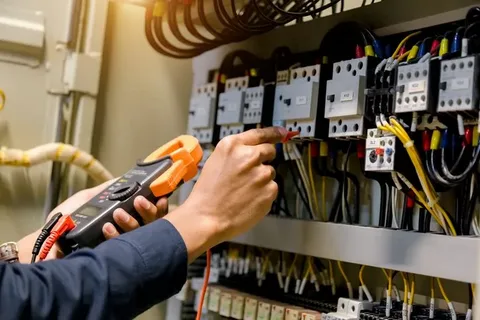
Warehouses and larger commercial facilities may depend on electrical systems for machinery, storage operations, work areas, exterior lighting and specialized equipment.
Their requirements can involve:
Equipment-specific electrical connections.
Electrical distribution improvements.
Dedicated circuits.
Panel assessments and upgrades.
Interior and exterior lighting.
Wiring modifications.
Troubleshooting electrical interruptions.
Businesses planning to introduce new machinery should evaluate electrical requirements before purchasing or installing equipment. This helps identify possible capacity limitations and installation requirements early in the project.
How Can Businesses Identify Commercial Electrical Problems?
Electrical problems are not always immediately obvious. Some issues appear through visible warning signs, while others develop within electrical components and require professional investigation.
Recognizing unusual electrical behavior can help businesses arrange appropriate repairs before the problem affects additional parts of the property.
Frequently Tripping Circuit Breakers
Circuit breakers protect electrical circuits by interrupting power when an overload or certain electrical faults occur.
A breaker that repeatedly trips may indicate excessive electrical demand, damaged wiring, a short circuit, a ground fault or a problem with connected equipment.
Repeatedly resetting the breaker without identifying the cause is not a suitable long-term solution.
A qualified electrician can examine the affected circuit, review its connected loads and determine whether repairs or electrical modifications are required.
Flickering or Dimming Lights
Flickering lights can result from loose connections, faulty fixtures, wiring problems or other electrical conditions.
The location of the problem can provide useful information during troubleshooting.
For example, if one fixture flickers, the issue may involve that particular light or its connection. If several lights are affected, the electrician may need to investigate the shared circuit or electrical supply.
Businesses should not automatically assume that replacing bulbs will resolve persistent lighting problems.
Burning Odors and Unusual Electrical Sounds
Burning smells, buzzing sounds, discolored outlets, damaged insulation and unusually warm electrical components should not be ignored.
These conditions may indicate electrical deterioration or another potentially hazardous fault.
If smoke, sparks or an active electrical hazard is present, employees should keep away from the affected area and follow appropriate emergency procedures. Electrical equipment should not be touched or opened by unqualified individuals.
Insufficient Electrical Connections
As commercial operations grow, businesses may need more outlets, circuits and equipment connections.
Using extension cords as a permanent substitute for appropriate electrical installations can create unnecessary safety concerns.
A professional assessment can determine whether additional circuits, outlet installations or other modifications are appropriate for the property.
How Do Commercial Electrical Panel Upgrades Support Growing Businesses?
An electrical panel distributes power to different circuits throughout a commercial building. Its condition, configuration and available capacity influence how effectively the property can support its connected equipment.
When a business expands, introduces new machinery or changes the use of its premises, the existing electrical arrangement may need to be reviewed.
A panel upgrade should not be recommended simply because a business wants more outlets. The electrical system should first be evaluated to determine whether the existing panel, circuits and service capacity can support the intended requirements.
Signs That a Commercial Electrical Panel Needs Attention
Business owners should consider arranging an electrical assessment when they notice:
Circuit breakers tripping repeatedly.
Insufficient space for required circuit additions.
Signs of overheating or physical deterioration.
Electrical interruptions affecting connected equipment.
New machinery requiring additional electrical capacity.
Planned renovations that will change power requirements.
These conditions do not automatically mean that the entire panel must be replaced. Sometimes the issue can be addressed through repairs or circuit modifications.
Planning for Additional Equipment
Before purchasing new commercial equipment, businesses should review its electrical specifications.
Important details include voltage, amperage, power consumption and manufacturer installation requirements. The electrician can use this information to evaluate the existing infrastructure and identify any necessary changes.
A proper assessment may consider panel capacity, circuit arrangements, grounding, bonding and applicable electrical requirements.
Common Commercial Panel and Circuit Considerations
| Electrical component | Purpose | When businesses may need attention |
|---|---|---|
| Main electrical panel | Distributes electricity throughout the property | During expansion, upgrades or when deterioration is identified |
| Circuit breakers | Protect individual circuits against certain electrical faults and overloads | When breakers trip repeatedly or show signs of damage |
| Dedicated circuits | Supply specific equipment independently | When machinery or appliances require individual circuits |
| Electrical wiring | Carries electricity between panels, circuits and connected equipment | When wiring is damaged, deteriorated or unsuitable |
| Grounding and bonding | Help provide electrical fault protection | During installations, modifications and safety assessments |
| Electrical outlets | Provide connection points for equipment | When additional or replacement connections are needed |
The right approach depends on the actual electrical conditions rather than assumptions about the building’s age or size.
What Should Businesses Know About Commercial Wiring and Tenant Improvements?
Commercial tenant improvements involve adapting an existing property for a new occupant or a different business purpose. These changes may affect the electrical layout, lighting arrangements, equipment connections and overall power requirements.
For property owners and facility managers, electrical planning should be included early in the renovation process.
A space previously used as a small office may become a retail showroom. A vacant unit may be converted into a professional workspace. A restaurant may reorganize its kitchen and introduce different appliances.
Each change can create new electrical requirements.
Electrical Modifications During Renovations
Depending on the project, electrical work may involve:
Installing additional outlets and switches.
Relocating existing electrical connections.
Adding circuits for new equipment.
Modifying lighting arrangements.
Replacing damaged wiring.
Evaluating panel capacity.
Installing dedicated equipment connections.
For example, dividing a large office into separate work areas may require additional outlets and lighting controls. Planning these changes before walls and ceilings are completed can help reduce unnecessary construction modifications.
Planning for New Commercial Tenants
A new tenant may operate differently from the previous occupant. Before approving an electrical layout, property owners should understand how the incoming business intends to use the premises.
Consider the following questions:
What equipment will the tenant operate?
How many additional outlets and circuits are required?
Does the existing electrical panel have suitable capacity?
Will the lighting layout need modification?
Are dedicated connections necessary?
Will any electrical permits or inspections be required?
A clear project scope helps property owners, contractors and tenants coordinate their responsibilities.
Coordinating Electrical Work With Other Contractors
Commercial renovations often involve electricians, general contractors, plumbers, HVAC technicians and other trades.
Electrical installations should be coordinated with the wider construction schedule to avoid conflicts involving walls, ceilings, equipment placement and other building components.
Businesses should also discuss access arrangements and possible power interruptions before work begins.
How Can Commercial Lighting Improve Business Properties?
Lighting affects how people use and experience commercial spaces. It supports workplace visibility, customer movement, merchandise presentation and the general functionality of a building.
A suitable lighting arrangement should reflect the purpose of each area rather than relying on the same fixtures throughout the property.
Interior Lighting for Offices and Retail Spaces
Office lighting should provide comfortable illumination for workstations, meeting rooms, reception areas and shared spaces.
Retail lighting has different requirements because merchandise displays, entrances, checkout counters and storage areas may need different arrangements.
Possible improvements include:
LED fixture replacement.
Recessed lighting installations.
Pendant and display lighting.
Occupancy sensors.
Lighting controls and dimmers.
Replacement of damaged fixtures.
Adjustments to existing lighting circuits.
Businesses should consider brightness, light distribution, fixture compatibility and maintenance requirements before selecting replacement equipment.
Exterior and Parking Lot Lighting
Exterior illumination is important for entrances, walkways, building surroundings and parking facilities.
Poorly functioning outdoor fixtures may create dark areas that affect visibility for employees and visitors.
A commercial lighting assessment can help identify:
Non-functioning fixtures.
Inconsistent light distribution.
Dark areas around entrances.
Damaged outdoor connections.
Opportunities for LED improvements.
Suitable locations for additional lighting.
Fixture placement, mounting height, weather exposure and electrical protection should all be considered during installation.
Energy-Efficient Lighting Improvements
LED technology can provide an opportunity to reduce electricity consumption compared with older lighting systems. However, actual savings depend on the existing fixtures, operating hours, electricity rates and replacement equipment.
Before approving an upgrade, businesses should compare the following factors:
| Evaluation factor | What to review |
|---|---|
| Existing fixtures | Type, age and current condition |
| Electricity usage | Wattage and operating hours |
| Lighting quality | Brightness and distribution |
| Fixture compatibility | Electrical and physical compatibility |
| Lighting controls | Occupancy sensors and scheduling |
| Maintenance | Expected replacement and servicing requirements |
For businesses considering fixture replacements, lighting controls or installation improvements, Haywatt Electric provides Lighting Services.
Can Businesses Install Commercial EV Charging Stations?
Electric vehicle charging is becoming an important consideration for commercial properties. Businesses may want to provide charging facilities for employees, customers, tenants or company vehicles.
However, installing charging equipment requires appropriate electrical planning. The availability of an ordinary power outlet does not establish that a commercial property can safely support the intended charging equipment.
Evaluating Electrical Capacity
Before selecting a charger, businesses should evaluate:
Available electrical service capacity.
Existing panel configuration.
Number of charging stations.
Charger voltage and power requirements.
Expected charging demand.
Circuit and wiring requirements.
Installation location.
Applicable permitting and inspection requirements.
For example, a property planning several charging stations may need a different electrical arrangement from a business installing one charger for a company vehicle.
The electrical infrastructure should be evaluated before equipment selection and installation.
Choosing the Right Charging Arrangement
The most appropriate charging arrangement depends on how the property will use the equipment.
Workplaces may need charging access throughout employee shifts. Retail properties may want to accommodate visitors, while commercial fleet operators may have different operational requirements.
Businesses should consider the expected usage, charging duration, equipment specifications and future expansion plans.
Haywatt Electric also lists EV & Specialty Services for customers exploring additional electrical installations and specialty applications.
Why Are Electrical Inspections and Preventive Maintenance Important?
Commercial electrical systems operate under different conditions depending on the building’s equipment, operating hours and electrical demand.
Over time, components may deteriorate, connections may become damaged and the property’s requirements may change.
Routine maintenance and appropriate electrical assessments help property owners identify concerns that require attention.
What May Be Included in an Electrical Assessment?
The scope depends on the property and the purpose of the visit. An assessment may involve reviewing:
Electrical panel condition.
Circuit breaker operation.
Accessible wiring and connections.
Visible signs of overheating.
Grounding and bonding arrangements.
Electrical outlets and fixtures.
Connected equipment requirements.
Existing circuit arrangements.
Additional testing may be necessary depending on the findings.
A contractor’s service assessment should not be confused with an official regulatory inspection or a certification of compliance.
Benefits of Preventive Maintenance
A practical maintenance approach can help businesses identify electrical concerns before they cause larger operational problems.
For example, a damaged outlet discovered during an assessment may be repaired before it affects connected equipment. Similarly, an office adding new workstations can review its electrical requirements before introducing additional loads.
Businesses should consider:
Keeping records of recurring electrical problems.
Reviewing changes in equipment and power requirements.
Addressing visible damage promptly.
Arranging professional assessments when concerns arise.
Maintaining records of completed electrical work.
Following applicable inspection and maintenance requirements.
Electrical maintenance schedules should reflect the property’s actual conditions and regulatory obligations.
What Should Businesses Consider Before Hiring an Electrical Contractor?
Choosing an electrical contractor involves more than comparing estimates. Businesses should evaluate qualifications, project scope, communication and the contractor’s ability to understand the property’s requirements.
Verify California Contractor Licensing
California’s Contractors State License Board identifies C-10 as the Electrical Contractor classification.
Before hiring a contractor, businesses should check the license status and classification through the official state licensing database.
Useful checks include:
Active license status.
Appropriate contractor classification.
Business identity.
Relevant disciplinary information.
Required insurance arrangements.
Request a Clear Written Estimate
A written estimate should explain the proposed work and the important details associated with the project.
Businesses should ask about:
Work included in the scope.
Materials and equipment.
Additional electrical modifications.
Permit responsibilities.
Expected scheduling.
Testing and completion arrangements.
Work requiring separate approval.
For example, an estimate for an electrical panel upgrade should explain whether associated wiring modifications and permit arrangements are included or handled separately.
Evaluate Communication and Project Coordination
Commercial projects can involve property owners, tenants, facility managers and other contractors.
The electrical contractor should be able to explain the proposed work, identify important project requirements and communicate changes to the agreed scope.
Businesses should also discuss access arrangements, operating hours and any temporary power interruptions that may be necessary.
A clear understanding of these details helps avoid confusion during installation and repair work.
What Other Electrical Solutions May Commercial Property Owners Need?
Some properties require electrical improvements beyond their immediate commercial requirements. Property owners may also plan residential upgrades, additional lighting installations or specialty electrical projects.
Haywatt Electric lists several service categories that address different electrical needs.
General Electrical Installations and Repairs
Electrical systems require professional attention when components become damaged, equipment requirements change or additional installations are needed.
Businesses and property owners can explore the company’s Electrical Services for broader information about its electrical offerings.
Residential Electrical Requirements
Property owners who manage both commercial and residential buildings may have separate electrical requirements for each location.
Residential projects can involve electrical panel improvements, outlet installations, wiring repairs, lighting changes and connections for household appliances.
Haywatt Electric also provides Home Electrical Services for residential electrical requirements.
Commercial and residential projects should be evaluated separately because their equipment, electrical loads and applicable requirements may differ.
How Does Haywatt Electric Support Campbell Property Owners?
Selecting an electrical contractor is an important part of maintaining a functional property. Businesses need to understand the work involved, the condition of their existing systems and the improvements required for their intended use.
Haywatt Electric Inc. offers electrical solutions across its listed service areas, including Campbell. Its services cover different residential and commercial electrical requirements.
Before beginning a project, property owners should communicate the electrical problem or planned improvement clearly. Information about the building, affected equipment, existing electrical conditions and intended changes can help establish the project’s requirements.
The following details can be useful when discussing an electrical project:
Property type and location.
Description of the electrical problem.
Areas or equipment affected.
Planned installations or renovations.
Available equipment specifications.
Preferred project scheduling.
Any previous electrical repairs or modifications.
Providing this information can help establish a clearer starting point for discussing the work.
Frequently Asked Questions
1. What types of commercial electrical work can businesses request in Campbell?
Commercial projects may involve electrical troubleshooting, wiring installations, panel upgrades, dedicated circuits, lighting improvements, tenant improvements and electrical equipment connections. The appropriate work depends on the building’s condition and intended use.
2. When should a commercial property owner consider an electrical panel upgrade?
An assessment may be appropriate when breakers trip repeatedly, additional equipment requires circuits, the panel shows physical deterioration or the property’s electrical demand changes. A qualified electrician can determine whether repairs, modifications or a complete upgrade are necessary.
3. Can an electrician help with commercial tenant improvements?
Yes. Electrical work during tenant improvements may include relocating outlets, installing additional circuits, modifying wiring, updating lighting and evaluating panel capacity. The scope depends on the new tenant’s requirements and the existing electrical infrastructure.
4. What causes commercial circuit breakers to trip repeatedly?
Common causes include overloaded circuits, short circuits, ground faults, damaged wiring and faulty equipment. Repeatedly resetting a breaker without investigating the cause can leave the underlying problem unresolved.
5. Can commercial buildings have EV charging stations installed?
Yes, provided the electrical infrastructure and installation conditions support the selected equipment. Planning should consider available electrical capacity, charger specifications, circuit requirements, placement and applicable permits.
6. How can businesses improve commercial lighting?
Businesses can consider replacing outdated fixtures, installing LED lighting, improving light distribution, adding occupancy sensors and upgrading exterior fixtures. The appropriate improvements depend on the building layout and lighting requirements.
7. Do electrical projects in Campbell require permits?
Certain electrical installations, alterations and upgrades require permits and inspections. Requirements depend on the project scope and applicable local regulations. Businesses should confirm the requirements with the relevant building department before work begins.
8. What should businesses do when they notice an electrical burning smell?
A burning odor may indicate overheating or an electrical fault. Employees should keep away from the affected equipment and follow appropriate emergency procedures. If smoke or fire is present, contact emergency services. A qualified electrician should investigate before the affected equipment is returned to service.
9. Can electrical work be performed while a business remains open?
Some projects can be completed in stages, while others require temporary power interruptions or restricted access. Scheduling depends on the work involved and safety requirements. Businesses should discuss operating hours and possible disruptions before installation begins.
10. How should I choose a commercial electrical contractor in California?
Check the contractor’s active California license, appropriate classification, insurance arrangements and relevant experience. Request a written estimate explaining the work, materials, permit responsibilities and project arrangements before approving the job.
11. What information should I provide when requesting an electrical estimate?
Provide the property location, type of building, description of the problem, equipment involved and any planned modifications. Photographs of visible issues may also help explain the initial concern, although they cannot replace an appropriate electrical assessment.
12. How can I contact Haywatt Electric about a commercial project in Campbell?
Businesses can contact Haywatt Electric by phone at +1 408-898-7130 or visit its website to discuss their electrical requirements and the next steps for a project.
Contact Haywatt Electric for Your Commercial Electrical Project
A functional electrical system is essential for businesses that depend on reliable lighting, equipment connections and power distribution. Whether you are preparing a commercial space for a new tenant, addressing electrical problems, planning a panel upgrade or improving existing lighting, understanding your property’s requirements is the first step.
Haywatt Electric Inc. provides electrical solutions for different property requirements, with Campbell included among its listed service areas.
If you are planning an electrical project or need assistance with an existing issue, contact the team to discuss your requirements.
Haywatt Electric Inc.
Phone: +1 408-898-7130
Address: 2066 N Capitol Ave, San Jose, CA 95132
Email: kgarcia@haywattelectric.com
Website: Haywatt Electric
Discuss your project, explain your electrical requirements and ask about the next steps for your property.
Related Reference Blog
For additional information about electrical planning, commercial property requirements, safety, maintenance and modern electrical systems, read:
Electrical Services: Complete Home & Business Guide
This related article provides broader educational information about residential and commercial electrical systems, electrical installations, energy efficiency and preventive maintenance.