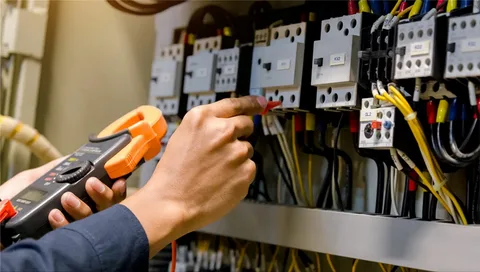
Choosing the right electrical contractor is an important decision for homeowners and business owners. Whether you need to repair a faulty outlet, upgrade an electrical panel, install new lighting, or improve your property’s electrical capacity, the quality of the work can affect safety, convenience, and long-term performance. Finding reliable Home Electrical Services in Campbell, CA starts with understanding your property’s requirements and knowing what to look for when comparing electrical contractors.
Electrical systems support almost every part of a modern property. Residential buildings depend on properly functioning wiring, outlets, lighting, and circuit breakers, while commercial properties may require additional electrical capacity for equipment, lighting systems, and daily operations. Choosing a contractor who understands the specific requirements of your project can help you avoid unnecessary repairs and make better decisions about electrical improvements.
Haywatt Electric provides electrical services for residential and commercial properties, with dedicated service categories covering home electrical work, lighting, EV installations, and other electrical requirements. Property owners can explore the company’s Haywatt Electric website to learn more about its electrical service offerings.
Why Choosing the Right Electrical Contractor Matters
Electrical work involves more than connecting wires or replacing damaged components. Every installation and repair must account for the property’s electrical requirements, the condition of existing equipment, and applicable safety standards.
An unsuitable repair can leave an underlying problem unresolved. For example, repeatedly replacing a circuit breaker without investigating why it trips may not address an overloaded circuit, damaged wiring, or a faulty appliance.
A qualified electrical contractor can evaluate the reported problem, explain possible causes, and recommend work based on the actual condition of the electrical system.
There are several reasons why choosing the right provider matters.
Electrical safety: Incorrect wiring, unsuitable electrical components, and overloaded circuits can create serious hazards. Proper installation and troubleshooting help address these concerns.
Reliable operation: Electrical repairs should address the underlying issue rather than provide a temporary solution that allows the same problem to return.
Suitable installations: New electrical equipment must be compatible with the existing system and meet its specific electrical requirements.
Long-term planning: Home renovations, commercial improvements, and new equipment installations may require additional circuits or electrical capacity.
Clear project expectations: A professional contractor should explain the proposed work, materials, project scope, and any relevant permit requirements before proceeding.
Taking time to evaluate these factors can help property owners choose electrical services that match their actual needs.
1. Identify Your Property’s Electrical Requirements
Before contacting an electrician, identify the problem or improvement you want to address. Different electrical projects require different approaches, so understanding your requirements can make the initial discussion more productive.
Start by considering whether the work involves an existing electrical fault, a new installation, a planned upgrade, or routine property improvements.
Residential Electrical Requirements
Homeowners commonly contact electricians when outlets stop working, lights flicker, circuit breakers trip, or electrical equipment does not operate as expected.
Other residential projects may involve installing additional outlets, upgrading electrical panels, replacing switches, improving lighting, or preparing a garage for an EV charger.
The age of the electrical system, property layout, existing wiring, and electrical load can all influence the work required.
For example, a homeowner renovating a kitchen may need additional outlets, dedicated appliance circuits, and improved lighting. Before installation begins, the electrician should evaluate whether the existing electrical infrastructure can support the planned equipment.
Property owners can explore the dedicated Home Electrical Services page to understand the company’s residential service category.
Commercial Electrical Requirements
Commercial properties often have different electrical demands from residential buildings. Offices, retail locations, restaurants, and other business premises may depend on electrical systems that support lighting, computers, equipment, HVAC systems, and other operations.
Electrical work in these environments may involve:
- Electrical troubleshooting and repairs.
- Commercial lighting installations.
- Electrical panel improvements.
- Dedicated circuits for equipment.
- Wiring for renovated spaces.
- Electrical installations for new business equipment.
- Improvements to existing electrical infrastructure.
For example, a business renovating its office layout may need additional outlets, updated lighting, and changes to its existing circuit configuration. The electrical requirements should be reviewed before equipment and fixtures are installed.
Compare Electrical Needs Before Selecting a Service
The following table explains how different electrical requirements can influence the type of service a property owner may need.
| Property requirement | Possible electrical work | Important consideration |
|---|---|---|
| Residential electrical problems | Troubleshooting, outlet repairs, wiring inspection | Identify the underlying fault |
| Home renovation | New outlets, circuits, lighting installations | Review existing electrical capacity |
| Commercial property improvements | Panel work, wiring, equipment circuits | Consider operational requirements |
| Lighting upgrades | Fixture replacement and lighting installation | Check fixture compatibility |
| EV charging | Dedicated circuits and charger installation | Evaluate available electrical capacity |
| Electrical system upgrades | Panel assessment and circuit improvements | Determine whether existing equipment is suitable |
The appropriate service should be selected according to the property’s condition and intended use rather than choosing an installation based only on its name.
2. Evaluate the Contractor’s Electrical Service Experience
Electrical contractors may specialize in different types of installations and repairs. Some focus mainly on residential projects, while others provide commercial electrical work or specialty installations.
Before selecting a provider, consider whether its services match your particular requirements.
Ask about the contractor’s experience with the type of work involved, the equipment being installed, and the electrical system that needs attention.
Electrical Troubleshooting and Repairs
Electrical troubleshooting is particularly important when the cause of a problem is not immediately clear.
A homeowner may report that one room regularly loses power, while a business owner may experience interruptions affecting several pieces of equipment.
These symptoms do not necessarily indicate the same electrical fault.
A proper diagnostic process may involve examining the affected circuit, checking relevant electrical connections, evaluating connected equipment, and determining whether the problem is localized or part of a wider issue.
When comparing providers, look for a contractor who can explain the diagnostic process and why a particular repair is recommended.
For a broader understanding of installation, troubleshooting, and repair options, explore Haywatt’s Electrical Services page.
Electrical Panel Evaluation
The electrical panel distributes power throughout a property and contains circuit breakers that help protect individual circuits.
As electrical requirements increase, the existing panel may need to be evaluated to determine whether it can support additional equipment.
Warning signs that may justify an assessment include:
- Breakers that trip repeatedly.
- Unusual sounds coming from the panel.
- Visible corrosion or damage.
- Signs of overheating.
- Electrical interruptions affecting multiple circuits.
- Plans to install equipment with significant electrical requirements.
An electrical panel upgrade is not automatically necessary whenever a breaker trips. The electrician should first identify the cause and determine whether repair, replacement, or another improvement is appropriate.
Wiring and Circuit Installation
Wiring connects the electrical panel to the outlets, switches, fixtures, and equipment throughout a property.
Damaged insulation, deteriorating connections, unsuitable circuits, and previous installation problems can affect the system’s operation.
New circuits may also be required when homeowners add major appliances or businesses introduce equipment with specific electrical demands.
Before approving wiring work, understand which areas are involved, whether existing components need replacement, and what inspections or permits may apply.
3. Check Licensing, Qualifications, and Safety Standards
One of the most important steps when selecting an electrical contractor is checking the rele

vant qualifications and licensing information.
In California, electrical contracting falls under the Contractors State License Board’s C-10 electrical contractor classification. The classification covers electrical wiring, fixtures, appliances, and equipment that generate, transmit, transform, or use electrical energy.
Property owners should verify contractor information rather than relying exclusively on advertisements or website descriptions.
Consider these checks before approving electrical work:
Verify the contractor’s license: Use the California Contractors State License Board’s official license-check service to review the contractor’s information and current license status.
Check the relevant classification: Confirm that the contractor’s classification is appropriate for the proposed electrical project.
Ask about insurance: Request information about applicable liability insurance and workers’ compensation coverage.
Discuss safety procedures: Understand how the contractor approaches electrical troubleshooting, installation, and protection of the property during work.
Confirm applicable permits: Ask whether the proposed project requires permits or inspections and who will coordinate them.
The City of Campbell provides building permit information and application guidance for projects that require approval. Requirements depend on the work being performed, so property owners should confirm the applicable process before starting construction or electrical improvements.
Checking these details can help property owners make a more informed hiring decision.
4. Consider Lighting Requirements and Installation Quality
Lighting is an important part of both residential and commercial electrical planning. A suitable lighting arrangement can improve visibility, support daily activities, and make different spaces more functional.
However, choosing a fixture is only one part of the process. The installation must also account for the electrical connection, mounting requirements, fixture specifications, and intended use.
Residential Lighting Improvements
Homeowners may consider lighting improvements when renovating rooms, replacing outdated fixtures, or creating better illumination in specific areas.
Common applications include:
- Recessed ceiling lights.
- Pendant lighting.
- Kitchen task lighting.
- Bedroom fixtures.
- Hallway illumination.
- Bathroom lighting.
- Outdoor entrance lights.
- Patio and landscape lighting.
For example, a kitchen renovation may require additional lighting above work surfaces. A living room may benefit from a combination of general lighting and accent fixtures.
The electrician should evaluate the existing wiring, fixture compatibility, switching arrangement, and installation requirements before completing the work.
Commercial Lighting Requirements
Commercial lighting must support the activities taking place within a business premises.
An office may require consistent lighting across workstations, while a retail property may need lighting that improves product visibility and customer movement.
Commercial lighting projects may involve replacing existing fixtures, adding lighting circuits, improving controls, or updating lighting arrangements during renovations.
The selected installation should suit the building layout, operating requirements, and applicable electrical standards.
Property owners planning fixture installations or lighting improvements can review the dedicated Lighting Services offering.
5. Evaluate Specialty Electrical Requirements
Modern properties often require electrical installations that go beyond basic outlets, switches, and lighting.
Electric vehicle charging, additional equipment, smart electrical devices, and other specialty installations may require a closer evaluation of the existing electrical infrastructure.
Selecting a contractor who understands these requirements is important before purchasing or installing new equipment.
EV Charger Installation
Homeowners and businesses considering electric vehicle charging should evaluate the electrical system before selecting a charger.
A Level 2 EV charger generally requires a suitable dedicated circuit. Its electrical specifications must match the installation and available electrical capacity.
Important factors include:
- Charger voltage and current requirements.
- Electrical panel capacity.
- Circuit and breaker specifications.
- Wiring requirements.
- Distance from the panel to the charger.
- Installation location.
- Applicable permit and inspection requirements.
For example, a homeowner planning to install a charger in a garage should determine whether the existing panel can support the additional electrical demand.
If the available capacity is insufficient, additional electrical work may be needed before installation.
Specialty Electrical Installations
Other specialty projects may involve electrical equipment with particular installation or circuit requirements.
Before selecting a contractor, discuss the equipment specifications, installation location, existing electrical infrastructure, and any required upgrades.
Avoid purchasing equipment based only on its appearance or advertised features. Compatibility with the property’s electrical system should be evaluated first.
Haywatt’s EV & Specialty Services page provides a dedicated resource for visitors researching these types of electrical requirements.
6. Compare Estimates and Understand the Project Scope
Comparing electrical estimates is an important part of choosing a contractor. However, the lowest price does not automatically represent the most suitable proposal.
Two contractors may recommend different solutions because they have identified different problems or included different work in their estimates.
Before comparing prices, make sure you understand what each proposal includes.
What Should an Electrical Estimate Explain?
A useful estimate should clearly describe the proposed work and relevant project details.
Consider the following:
- Description of the electrical problem or installation.
- Components requiring repair or replacement.
- Equipment and material specifications.
- Labour included in the proposed scope.
- Electrical modifications required.
- Permit and inspection responsibilities, where applicable.
- Project exclusions.
- Warranty terms, if offered.
- Possible conditions that could affect the final scope.
For example, one estimate for an electrical panel project may include only replacement of the panel, while another may include additional circuit modifications. Comparing the final amounts without reviewing these differences can lead to an inaccurate decision.
Questions to Ask Before Approving Work
| Question | Why it matters |
|---|---|
| What is causing the electrical problem? | Helps you understand the recommended solution |
| Which components will be repaired or replaced? | Clarifies the work involved |
| Is additional electrical capacity required? | Helps identify possible upgrade needs |
| Are permits or inspections necessary? | Clarifies compliance responsibilities |
| What equipment and materials are included? | Makes estimates easier to compare |
| What is excluded from the estimate? | Helps avoid misunderstandings |
| Are there additional costs if hidden problems are discovered? | Explains how unexpected work will be handled |
A clear discussion before work begins can reduce confusion and help both parties understand the project expectations.
7. Understand Campbell’s Electrical Permit Requirements
Electrical work must follow applicable building and electrical safety requirements. Some projects may require permits and inspections, while others may qualify for exemptions.
The exact requirements depend on the type of work, project scope, and applicable local regulations.
The City of Campbell’s Building Division provides guidance for construction permits and relevant building applications.
Electrical work that may need particular attention includes:
- Electrical service upgrades.
- Certain residential renovations.
- New electrical installations.
- EV charger installations.
- Electrical work associated with additions or major remodeling.
Homeowners should not assume that every minor electrical repair requires the same approval process as a major electrical installation.
Before work begins, ask the contractor which permits may apply and who is responsible for arranging the necessary approvals and inspections.
Property owners can also review the City of Campbell’s official building application guides to understand the local process.
Working with a contractor who communicates clearly about permit requirements can make project planning more straightforward.
8. Recognize Electrical Warning Signs Before Choosing a Repair
Knowing the common warning signs of electrical problems can help property owners explain their concerns more clearly when contacting a contractor.
Some issues may appear minor at first but can indicate an underlying electrical fault.
Frequently Tripping Circuit Breakers
Circuit breakers interrupt electrical power when certain unsafe conditions occur.
Repeated tripping can be associated with overloaded circuits, faulty appliances, short circuits, ground faults, or defective breakers.
Instead of repeatedly resetting the breaker, arrange an appropriate electrical assessment to identify the cause.
Flickering or Dimming Lights
Flickering may result from a loose bulb, incompatible fixture, faulty wiring, or a wider electrical issue.
If several lights flicker together, or the problem occurs when other equipment operates, a professional should investigate the electrical system.
Warm or Discolored Outlets
Outlets should not become unusually hot during normal use.
Discoloration, burning smells, loose connections, and unusual sounds can indicate an electrical problem.
Stop using the affected outlet and arrange professional attention.
Buzzing or Crackling Sounds
Unusual sounds around switches, outlets, or electrical panels should not be ignored.
The cause may involve loose connections, damaged components, or another electrical fault.
Avoid opening the panel or attempting internal repairs yourself.
The Electrical Safety Foundation International identifies frequently tripping breakers, dimming lights, buzzing outlets, discolored wall plates, and underperforming appliances as potential signs of electrical overload or wiring problems.
Recognizing these symptoms does not replace professional diagnosis, but it can help property owners understand when an assessment is appropriate.
9. Avoid Common Mistakes When Hiring an Electrician
Choosing an electrical contractor without understanding the proposed work can create unnecessary complications.
Property owners should avoid several common mistakes when comparing providers.
Choosing only by the lowest estimate: A lower amount may exclude important work, materials, or necessary modifications. Compare the complete scope rather than price alone.
Ignoring licensing verification: Always check the contractor’s licensing information through the appropriate California authority.
Accepting vague project descriptions: Ask for a clear explanation of the proposed repair or installation before approving the work.
Overlooking permit requirements: Certain installations and upgrades may require local approval. Confirm the applicable requirements.
Ignoring warning signs: Repeated breaker trips, burning smells, damaged outlets, and unusual electrical sounds deserve attention.
Assuming every electrical problem needs replacement: Some issues can be resolved through appropriate repairs. The correct approach depends on the findings.
Failing to discuss future requirements: If you are planning additional appliances, renovations, or EV charging, mention these plans before the electrician evaluates the system.
A careful selection process helps ensure that the recommended work is relevant to the property’s actual electrical requirements.
10. When Should You Consider Residential or Commercial Electrical Improvements?
Electrical improvements are not limited to situations where something has stopped working. Property owners may also need electrical work when the purpose or use of a building changes.
Home Renovations
Kitchen renovations, room additions, garage conversions, and other improvements can introduce new electrical requirements.
Before completing the renovation, evaluate the outlets, lighting, wiring, and circuit capacity needed for the updated space.
Older Electrical Systems
Properties with older electrical installations may benefit from an assessment when homeowners notice recurring faults or plan substantial improvements.
Age alone does not establish that a complete replacement is necessary. The condition of the actual electrical components should guide the decision.
Commercial Property Renovations
Business renovations may involve changes to lighting, outlets, equipment circuits, and electrical distribution.
The contractor should understand the intended use of the renovated space and identify any electrical modifications required.
New Equipment Installations
Major appliances, EV chargers, specialized machinery, and other equipment may introduce additional electrical demands.
An evaluation before installation can help identify compatibility or capacity concerns.
Planning improvements around the property’s actual requirements is generally more useful than waiting until electrical problems interrupt normal activities.
11. Why Consider Haywatt Electric for Electrical Services in Campbell?
When evaluating an electrical contractor, property owners should consider the range of services available, the clarity of the proposed work, and whether the company can address their particular requirements.
Haywatt Electric has dedicated service categories for residential electrical work, general electrical installations, lighting, EV and specialty projects, and commercial electrical requirements.
This service structure allows visitors to explore information related to different electrical needs instead of relying on a single general service description.
Residential property owners can research repairs, electrical panels, outlets, wiring, and household improvements. Business owners can explore commercial electrical requirements, while visitors planning lighting or specialty installations can review the relevant service categories.
The company’s published residential service information also discusses troubleshooting, electrical panel work, and GFCI outlet installations.
Before proceeding with a project, property owners should discuss the specific work, confirm service availability in Campbell, and request clarification about the proposed scope.
Choosing a Service That Matches Your Property
The most appropriate electrical service depends on the type of property and the intended work.
A homeowner experiencing a faulty outlet may need troubleshooting or a replacement. Someone renovating a kitchen may require new lighting, outlets, and dedicated appliance circuits.
A business owner upgrading an office may need commercial electrical improvements, while an EV owner may need an assessment before installing a charging unit.
Rather than selecting a service based on a general description, explain the problem and intended outcome to the contractor.
This makes it easier to determine which electrical work should be evaluated.
Frequently Asked Questions
1. How do I choose the right electrical contractor in Campbell, CA?
Start by identifying your electrical requirements, then compare contractors based on relevant experience, California licensing, insurance, communication, and the proposed scope of work. Review estimates carefully and confirm applicable permit requirements before approving an installation or repair.
2. What should I look for when comparing electrical service providers?
Consider licensing, relevant project experience, the clarity of estimates, communication, equipment specifications, and the contractor’s approach to safety. You should also understand what is included in the proposed work and whether permits or inspections may be required.
3. What types of electrical problems require professional attention?
Repeatedly tripping breakers, flickering lights, damaged outlets, unusual electrical sounds, burning smells, and warm switch plates may indicate electrical problems. These conditions should be assessed by a qualified professional rather than addressed through repeated temporary fixes.
4. When should I consider upgrading my home’s electrical panel?
Consider an electrical panel assessment when the existing equipment shows signs of damage, breakers repeatedly trip, additional circuits are needed, or you are planning equipment that increases electrical demand. An electrician can determine whether repair, replacement, or another improvement is appropriate.
5. Can an electrician help with both repairs and new installations?
Electrical contractors may provide both services, depending on their qualifications and service offerings. Common projects include troubleshooting, wiring, outlet installation, lighting improvements, circuit installation, and electrical panel work.
6. Do I need a dedicated circuit for an EV charger?
Many Level 2 home EV charging installations require a dedicated circuit with suitable electrical specifications. The required installation depends on the charger’s requirements and the existing electrical system. An electrician should evaluate the panel and proposed charger before installation.
7. Are electrical permits required for residential projects in Campbell?
Permit requirements depend on the nature and scope of the work. Certain electrical service upgrades, installations, and renovation projects may require permits or inspections. Property owners should consult the City of Campbell Building Division or their contractor about the specific project.
8. What is the difference between residential and commercial electrical work?
Residential electrical work focuses on household systems such as outlets, lighting, wiring, appliances, and panels. Commercial electrical work addresses the requirements of business properties, including equipment circuits, commercial lighting, and electrical systems supporting business operations.
9. How can I tell whether an electrical outlet needs replacement?
An outlet may need attention if it is cracked, discolored, unusually warm, loose, or produces unusual sounds. These symptoms can also indicate problems with the wiring or circuit, so a professional should determine the appropriate repair.
10. Why should I compare electrical estimates before hiring a contractor?
Comparing estimates helps you understand the proposed work, equipment, materials, labour, exclusions, and permit responsibilities. It also helps identify differences between contractors’ recommendations so you can evaluate the complete project rather than choosing solely by price.
11. Does lighting installation require an electrician?
Some basic bulb replacements do not require professional electrical work. However, installing new fixtures, modifying wiring, adding lighting circuits, or changing electrical connections may require a qualified electrician. The requirements depend on the installation.
12. How can I verify an electrical contractor’s California license?
Use the California Contractors State License Board’s official online license-check service. Search by the contractor’s business name or license number and review the current license status and classification before hiring.
Choose the Right Electrical Services for Your Campbell Property
Selecting an electrical contractor should involve more than comparing prices or choosing the first available provider. Understanding your property’s electrical requirements, checking qualifications, reviewing estimates, and discussing the proposed work can help you make a more informed decision.
Whether you are planning residential repairs, improving lighting, evaluating an electrical panel, upgrading a commercial property, or preparing for EV charging, the right service should match your property’s specific requirements.
Related Reference Articles and Resources
The following authoritative resources provide additional information about electrical safety, contractor qualifications, and local permit requirements.
- Home Electrical Safety – Electrical Safety Foundation International
Learn about electrical warning signs, overloaded circuits, and practical household safety measures. - Home Wiring Safety Tips – Electrical Safety Foundation International
Understand common wiring hazards and situations where a professional electrical inspection may be appropriate. - Check a Contractor License – California Contractors State License Board
Verify contractor licensing information before hiring an electrical service provider. - C-10 Electrical Contractor Classification – CSLB
Review the official description of California’s electrical contractor classification. - Building Application Guides – City of Campbell
Review local building application guidance, including relevant electrical and general trade permit information. - Appliance and Electrical Fire Safety – U.S. Fire Administration
Find practical recommendations for reducing electrical fire risks and using household electrical equipment safely.