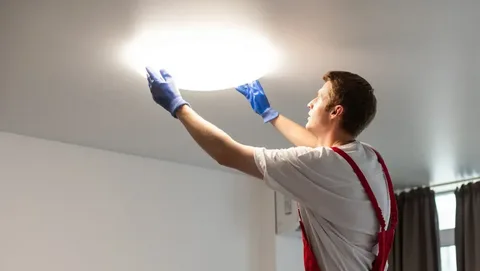
Lighting plays an important role in making residential and commercial properties comfortable, functional, and visually appealing. Whether you are renovating your home, upgrading an office, improving outdoor visibility, or replacing outdated fixtures, selecting the right lighting system can make a noticeable difference in how a property looks and operates. Property owners should consider more than the appearance of a fixture when planning an installation. Brightness, energy consumption, electrical compatibility, placement, and long-term maintenance all contribute to a successful lighting project.
In Campbell, California, homeowners and business owners have different lighting requirements depending on their buildings, daily activities, and property layouts. Professional Lighting Services can help address these needs by providing suitable solutions for different spaces. A kitchen may need focused illumination for food preparation, while a commercial office requires consistent lighting across workstations. Outdoor areas may need weather-resistant fixtures that improve visibility around entrances, walkways, and parking spaces.
Haywatt Electric Inc. provides electrical and lighting solutions for residential and commercial properties. Understanding the available options before starting a project can help property owners communicate their requirements, compare installation proposals, and select suitable fixtures. This guide explains different lighting applications, important installation considerations, energy-efficient options, electrical safety, and factors to review when choosing a contractor.
Why Choosing the Right Lighting System Matters
Lighting affects how people use and experience different spaces. A poorly illuminated room can make everyday activities difficult, while excessive brightness or incorrectly positioned fixtures may create glare and discomfort. A properly planned system considers the purpose of each area and provides suitable illumination without unnecessary energy consumption.
For homeowners, lighting improvements can support cooking, reading, working, relaxing, and moving safely around the property. Businesses have additional considerations, including employee comfort, customer visibility, product presentation, and the practical requirements of their operations.
Several factors make lighting planning important:
- Better visibility: Suitable illumination helps people perform daily activities and navigate indoor and outdoor spaces.
- Improved comfort: Appropriate brightness and colour temperature can create a more comfortable environment.
- Functional spaces: Different fixtures support different activities, from food preparation to office work.
- Property appearance: Well-positioned lighting can highlight architectural features and improve the overall appearance of a building.
- Energy management: Efficient fixtures can help reduce electricity consumption when replacing less efficient alternatives.
- Safety considerations: Properly installed lighting can improve visibility around entrances, stairs, walkways, and other frequently used areas.
Before purchasing equipment, property owners should identify the problems they want to solve. This makes it easier to select fixtures and controls that match the property’s actual requirements.
Understanding Different Types of Indoor Lighting
Indoor lighting should be selected according to the purpose, dimensions, and layout of each room. A single overhead fixture may provide general illumination, but combining different lighting types can create a more flexible arrangement.
Ambient Lighting
Ambient lighting provides general illumination throughout a room. It helps people move around comfortably and perform everyday activities.
Common examples include ceiling-mounted fixtures, recessed lights, chandeliers, and other general-purpose lighting installations. The required brightness depends on room size, ceiling height, wall colours, and the activities performed in the space.
Task Lighting
Task lighting provides focused illumination for specific activities. It is particularly useful in areas where people need to see details clearly.
Examples include:
- Under-cabinet lights above kitchen countertops.
- Desk lamps for reading and computer work.
- Vanity lighting around bathroom mirrors.
- Focused fixtures above workbenches.
- Reading lights beside beds and seating areas.
Task fixtures should be positioned carefully to reduce shadows and uncomfortable reflections.
Accent Lighting
Accent lighting highlights selected objects or architectural features. It can draw attention to artwork, decorative walls, shelves, cabinets, and other design elements.
Wall-mounted fixtures, directional spotlights, and selected LED installations are commonly used for this purpose.
Choosing the Right Combination
Many rooms benefit from a combination of ambient, task, and accent illumination. For example, a kitchen can use ceiling fixtures for general visibility, under-cabinet lights for food preparation, and pendant fixtures above an island.
Combining these options provides greater control over how a room is illuminated throughout the day.
Residential Lighting Options for Different Areas
Every home has its own lighting requirements. The number of rooms, ceiling design, furniture arrangement, and daily activities should influence fixture selection.
Kitchen Lighting
Kitchens require sufficient illumination because people use them for cooking, cleaning, food preparation, and other activities.
A practical arrangement may include recessed ceiling fixtures, pendant lights above an island, and under-cabinet lighting over countertops.
When selecting kitchen fixtures, consider their position relative to work surfaces, cabinets, and appliances. Lighting should provide useful coverage without creating excessive glare.
Homeowners renovating a kitchen should consider the electrical layout before cabinets and countertops are finalized. Planning fixture positions early can help reduce the need for later modifications.
Living Room Lighting
Living rooms are often used for several activities, including relaxing, reading, watching television, and entertaining visitors.
A combination of ceiling fixtures, wall lights, floor lamps, and accent lighting can provide flexibility. Dimmers may also be useful when compatible with the installed fixtures.
The size of the room and the arrangement of furniture should influence fixture placement. Lighting directed toward television screens should be positioned carefully to avoid reflections.
Bedroom Lighting
Bedrooms generally benefit from comfortable lighting that can be adjusted according to personal preferences.
Ceiling fixtures provide general illumination, while bedside lamps and wall-mounted lights can support reading and other activities.
Property owners may also consider dimmable fixtures to create different lighting levels. Before purchasing dimmers, check that the selected lamps and controls are compatible.
Bathroom Lighting
Bathrooms require appropriate illumination around mirrors, sinks, showers, and other frequently used areas.
Mirror lighting should provide useful visibility without producing harsh shadows. Fixtures installed in areas exposed to moisture must meet the applicable environmental and electrical requirements.
The manufacturer’s specifications should be reviewed before choosing bathroom lighting equipment.
Home Office Lighting
A home office needs lighting that supports reading, computer work, and other tasks.
Natural daylight can be helpful, but it should be balanced with suitable artificial lighting. Desk lamps and ceiling fixtures can provide additional illumination when daylight is insufficient.
Avoid placing bright fixtures where they create reflections on computer screens. The goal is to maintain comfortable visibility throughout working hours.
Homeowners planning broader improvements can explore Home Electrical Services for additional residential electrical requirements.
Outdoor Lighting and Property Visibility
Outdoor lighting helps property owners illuminate entrances, pathways, gardens, driveways, patios, and other exterior spaces. It can also improve the usability of outdoor areas after sunset.
Unlike indoor fixtures, exterior equipment must be selected according to weather exposure, moisture conditions, mounting requirements, and electrical safety.
Landscape Lighting
Landscape fixtures can highlight gardens, trees, planting areas, decorative features, and outdoor structures.
Some property owners prefer subtle lighting along garden borders, while others want focused illumination around selected landscape features.
A well-planned arrangement should avoid unnecessary brightness and excessive light directed toward neighbouring properties.
Pathway Lighting
Pathway fixtures help illuminate walking routes around residential and commercial buildings.
They may be installed near:
- Garden walkways.
- Driveway edges.
- Front entrances.
- Outdoor stairs.
- Side passages.
- Patio access points.
Fixture placement should provide useful coverage without creating dark gaps or uncomfortable glare.
Security Lighting
Exterior security fixtures are commonly installed near doors, garages, driveways, and other access points.
Motion-activated lights can turn on when movement is detected within their operating range. Their positioning and sensitivity should be considered to avoid unwanted activation.
Floodlights may also be suitable for larger exterior areas, depending on the property’s layout and lighting requirements.
Patio and Deck Lighting
Patios and decks may require a combination of general illumination and focused lighting around seating or access areas.
Wall fixtures, suitable outdoor ceiling lights, and selected landscape fixtures can help make these spaces more practical.
All outdoor equipment should be rated for its intended location. Indoor fixtures should not be installed outdoors unless the manufacturer specifically approves them for that environment.
Commercial Property Lighting Requirements
Commercial buildings often require more detailed lighting planning because of their size, working conditions, customer activity, and operating schedules.
An office, retail store, warehouse, and parking facility may all need different fixture types and illumination levels. Businesses should consider how lighting supports their operations rather than selecting equipment based only on appearance.
Office Lighting
Offices need consistent illumination across workstations, meeting rooms, reception areas, and corridors.
Poorly positioned fixtures can create screen reflections and uncomfortable glare. Lighting distribution should therefore be considered when planning an office installation.
Businesses may also evaluate compatible dimming controls and occupancy sensors to manage lighting in different areas.
Retail Store Lighting
Retail lighting can influence how products and displays appear to customers.
General ceiling fixtures provide overall visibility, while focused lighting can highlight selected shelves, display areas, and promotional sections.
The colour appearance of lighting is also important for certain merchandise. Businesses should compare suitable products before making a purchasing decision.
Warehouse Lighting
Warehouses may have high ceilings, large floor areas, storage aisles, loading zones, and specialized workstations.
The lighting arrangement should account for ceiling height, fixture distribution, operating hours, and maintenance accessibility.
LED high-bay fixtures may be considered for suitable installations, but the final selection depends on the building’s dimensions and lighting requirements.
Parking Lot Lighting
Parking facilities require suitable exterior illumination around vehicle spaces, pedestrian routes, entrances, and access points.
The arrangement should provide useful visibility without producing excessive glare for drivers, pedestrians, or nearby properties.
Businesses planning exterior improvements should consider fixture height, light distribution, weather resistance, and applicable local requirements.
Companies evaluating larger electrical improvements can review Commercial Electrical Services to understand the relevant service category.
LED Lighting Upgrades and Energy Management
LED technology is widely used in modern residential and commercial lighting systems. LED fixtures produce light using semiconductor technology and are available in different brightness levels, colours, shapes, and installation styles.
Replacing older fixtures with suitable LED alternatives may reduce electricity consumption, depending on the existing equipment and how frequently the lights are used.
However, not every LED product is suitable for every fixture.
Understanding Lumens and Watts
Watts measure electrical power consumption, while lumens measure the amount of visible light produced.
When comparing replacement products, property owners should pay attention to lumen output rather than selecting a bulb only because its wattage appears similar to an older product.
A suitable replacement should provide the required illumination for the intended area.
Selecting Colour Temperature
Colour temperature is measured in Kelvin (K).
Different colour temperatures create different visual appearances:
- Warm white: Creates a softer appearance and is commonly considered for bedrooms and living spaces.
- Neutral white: Provides a balanced appearance that may suit kitchens, offices, and general-purpose rooms.
- Cool white: Produces a brighter-looking appearance and may be considered for selected work areas.
The best option depends on the room, personal preference, existing finishes, and intended use.
Checking Fixture Compatibility
Before purchasing LED replacements, review:
- Fixture dimensions.
- Lamp base and connection type.
- Required brightness.
- Dimming compatibility.
- Indoor or outdoor suitability.
- Manufacturer installation instructions.
Some older dimmers may not operate correctly with certain LED products. Using incompatible equipment can cause flickering, buzzing, or inconsistent dimming.
Evaluating Potential Savings
The financial benefit of an upgrade depends on the power consumption of the old and new fixtures, daily operating hours, electricity rates, and equipment costs.
Property owners should compare actual specifications rather than relying on general savings claims.
A commercial building with long operating hours may have different upgrade priorities from a home where selected fixtures are used only occasionally.
Smart Lighting Controls and Automation

Modern lighting systems can include smart switches, dimmers, sensors, and connected controls. These features allow users to manage compatible fixtures more conveniently.
Smart controls may be particularly useful in properties where different rooms or exterior areas have separate operating schedules.
Smart Switches
Smart switches can allow selected lights to be controlled through compatible applications or connected home systems.
Before installation, check the existing wiring, switch requirements, electrical load, and compatibility with the selected platform.
Some devices require a neutral wire or other specific electrical conditions.
Dimmers
Dimmers allow users to adjust the brightness of compatible lighting fixtures.
They can be useful in bedrooms, living rooms, dining areas, and other spaces where different brightness levels are desirable.
However, the fixture, lamp, and dimmer must be designed to work together.
Motion Sensors
Motion sensors can activate lights when movement is detected.
They are commonly considered for exterior entrances, garages, corridors, and selected utility areas.
Correct positioning is important because nearby movement, pets, environmental conditions, and the sensor’s detection range can affect operation.
Scheduled Lighting
Some connected systems allow property owners to establish schedules for selected fixtures.
For example, exterior lights may be programmed to operate during specific hours. Other systems allow remote operation through a compatible application.
Customers considering more specialized electrical equipment can explore EV & Specialty Services for related electrical service information.
Electrical Safety During Lighting Installation
Lighting installation can involve wiring, switches, electrical boxes, circuit protection, and other components. Even a small project should be planned according to the property’s electrical conditions.
Incorrect connections or unsuitable equipment may create safety concerns and affect how the lighting system operates.
Inspect Existing Wiring
Before installing new fixtures, the existing electrical connections should be evaluated when the project requires electrical modifications.
Older or damaged wiring may need attention before additional equipment is connected.
Property owners should not ignore exposed conductors, damaged insulation, burning smells, or other warning signs.
Consider Circuit Capacity
Adding multiple fixtures to an existing circuit increases its electrical load.
The circuit’s capacity and connected equipment should be evaluated before expanding the installation.
If new circuits or other modifications are necessary, those requirements should be identified during project planning.
Check Grounding and Electrical Connections
Electrical installations must use appropriate connections and grounding arrangements according to applicable requirements.
Fixtures should be mounted securely, and electrical components should be suitable for the installation environment.
Work involving exposed wiring, new connections, or circuit modifications should be handled by appropriately qualified electrical professionals.
Avoid Common Installation Mistakes
Some mistakes can affect lighting performance and safety:
- Selecting fixtures without checking electrical compatibility.
- Installing indoor-rated equipment in exposed outdoor areas.
- Positioning lights where they produce excessive glare.
- Overlooking circuit capacity.
- Using incompatible dimmers.
- Ignoring repeated breaker trips.
- Purchasing fixtures without checking mounting dimensions.
A professional assessment can help identify these issues before installation begins.
Comparing Lighting Options for Different Properties
Selecting fixtures becomes easier when property owners compare the intended use of each space with the type of illumination required.
The following table provides a practical starting point for planning residential and commercial improvements.
| Property area | Suitable lighting options | Main planning consideration |
|---|---|---|
| Kitchen | Recessed and under-cabinet fixtures | Countertop visibility |
| Living room | Ceiling, accent, and wall lighting | Comfort and flexibility |
| Bedroom | Ceiling lights and dimmers | Adjustable brightness |
| Bathroom | Mirror and ceiling fixtures | Moisture suitability |
| Home office | Desk and general lighting | Screen glare |
| Garden | Landscape and pathway lights | Outdoor exposure |
| Driveway | Exterior wall and floodlights | Coverage and visibility |
| Retail store | Display and ceiling fixtures | Product presentation |
| Office | General fixtures and controls | Consistent illumination |
| Warehouse | High-bay lighting | Ceiling height and distribution |
| Parking facility | Exterior LED fixtures | Pedestrian and vehicle visibility |
How to Plan a Successful Lighting Project
A successful lighting project starts with a clear understanding of the property’s requirements. Planning ahead can make it easier to choose fixtures, estimate the work involved, and avoid unnecessary changes during installation.
Step 1: Identify the Areas That Need Improvement
Walk through the property and identify spaces where lighting is inadequate, outdated, damaged, or unsuitable.
Consider whether the problem involves brightness, fixture placement, appearance, energy consumption, or electrical operation.
Making a list of these areas provides a useful starting point.
Step 2: Define Your Main Objective
Different projects have different priorities.
For example, a homeowner may want to improve kitchen visibility, while a business owner may need better illumination across an exterior parking area.
Clearly identifying the objective helps narrow down the available fixture options.
Step 3: Review Existing Fixtures
Check the current equipment and note any visible problems.
Consider fixture dimensions, mounting positions, available switches, and whether the existing arrangement meets your needs.
Avoid opening electrical equipment or handling exposed wiring during this initial review.
Step 4: Compare Suitable Products
Review brightness, colour temperature, fixture type, product specifications, and compatibility.
For outdoor applications, check the manufacturer’s environmental ratings. For smart systems, verify compatibility with the selected controls.
Step 5: Discuss the Electrical Requirements
An electrician can evaluate the existing installation and determine whether the project requires new connections, additional circuits, fixture replacement, or other modifications.
This stage is particularly important for larger renovations and commercial installations.
Step 6: Confirm the Project Scope
Before approving the work, request a written proposal describing the planned installation.
It should explain the equipment, quantities, electrical work, estimated costs, applicable permits, and any exclusions.
Clear documentation makes it easier to compare different proposals.
Step 7: Review the Completed Work
After installation, the fixtures and controls should be tested.
Check whether the lighting operates as intended and whether switches, dimmers, and other installed controls function correctly.
Property owners should also understand any maintenance or operating instructions associated with new equipment.
What Factors Affect Lighting Installation Costs?
The total cost of a lighting project depends on the equipment, property conditions, labour requirements, and extent of the proposed work.
A simple replacement may require considerably less work than installing new fixtures throughout a commercial building.
Number and Type of Fixtures
The number of fixtures and their technical specifications influence the materials and labour required.
Decorative fixtures, recessed installations, exterior floodlights, and commercial lighting equipment may involve different installation requirements.
Existing Electrical Infrastructure
If the wiring, switches, electrical boxes, or circuits need modifications, the project may involve additional work.
Older buildings may require further evaluation before new fixtures are connected.
Accessibility and Ceiling Height
Fixtures installed in high ceilings or difficult-to-access areas may require additional equipment and preparation.
Commercial buildings with large open spaces can also involve different installation arrangements from smaller residential rooms.
Outdoor Installation Requirements
Exterior projects may require weather-rated equipment, suitable mounting arrangements, and additional protection against environmental exposure.
The exact requirements depend on the location and selected fixtures.
Permits and Inspections
Certain electrical modifications may require permits and inspections. The applicable requirements depend on the type and extent of work.
Property owners should clarify these responsibilities before approving a project.
Comparing Written Estimates
When reviewing proposals, compare the same project specifications rather than looking only at the final price.
Consider the following:
- Number and type of fixtures.
- Materials and equipment.
- Installation labour.
- Electrical modifications.
- Permit responsibilities.
- Project exclusions.
- Testing and completion arrangements.
A clear estimate helps property owners understand what is included and reduces misunderstandings during the project.
Choosing an Electrical Contractor in Campbell
Selecting a contractor is an important part of any electrical improvement. Property owners should evaluate licensing, relevant experience, communication, insurance information, and the clarity of the proposed work.
A contractor should be able to explain the installation requirements and identify any conditions that could affect the project.
Verify the California Contractor License
California consumers can use the Contractors State License Board (CSLB) website to check a contractor’s license status.
Before hiring a contractor, review the business name, license classification, status, and other available information.
The classification should be appropriate for the proposed work.
Request a Written Estimate
A written estimate should describe the expected work and the equipment or materials included.
If a proposal includes electrical modifications, ask for clarification about the nature of those changes.
For larger projects, request information about the anticipated work schedule and any disruption to the property’s normal use.
Ask About Insurance
Property owners should ask about the contractor’s applicable insurance coverage and verify relevant information before work begins.
This is particularly important when projects involve multiple rooms, commercial buildings, or exterior installations.
Evaluate Communication
Clear communication helps prevent misunderstandings.
A suitable contractor should listen to your requirements, explain available options, and discuss the limitations of different installations.
Avoid making decisions based solely on promotional claims or unusually low estimates.
Check Local Permit Requirements
The City of Campbell Building Division provides information about building permits and inspections.
Property owners should confirm whether the proposed electrical work requires approval before installation begins.
Haywatt Electric’s general Electrical Services page provides additional information about the company’s electrical service category.
Common Lighting Problems and Their Possible Causes
Lighting problems can result from bulbs, fixtures, switches, controls, or electrical connections. Identifying the underlying cause is important before deciding whether equipment needs repair or replacement.
| Lighting problem | Possible explanation | Recommended action |
|---|---|---|
| Flickering fixtures | Incompatible bulbs, dimmers, or electrical connections | Arrange an inspection if the issue continues |
| Repeated breaker trips | Overloaded circuit or electrical fault | Stop resetting the breaker and seek professional help |
| Buzzing sounds | Dimmer or fixture compatibility issue | Have the equipment checked |
| Repeated bulb failure | Unsuitable lamp or fixture problem | Review specifications and arrange diagnosis |
| Outdoor lights stop working | Environmental exposure or connection damage | Inspect the exterior fixture professionally |
| Smart switches fail | Wiring or device compatibility issue | Check installation requirements |
| Uneven illumination | Fixture positioning or unsuitable light distribution | Review the lighting arrangement |
Flickering Lights
Flickering may occur when an LED bulb is incompatible with a dimmer or when a fixture has an electrical connection problem.
If replacing a compatible bulb does not solve the issue, further inspection may be necessary.
Repeated Circuit Breaker Trips
A breaker that repeatedly trips may indicate an overloaded circuit, damaged wiring, or an electrical fault.
Do not continue resetting the breaker without identifying the cause.
Buzzing or Unusual Sounds
Some lighting systems may produce buzzing because of incompatible dimmers or other equipment problems.
If the sound is accompanied by unusual heat, burning smells, sparks, or visible damage, stop using the affected equipment when safe and arrange professional assistance.
Outdoor Fixture Problems
Outdoor lighting can be affected by moisture, damaged fittings, corrosion, or environmental exposure.
The correct repair depends on the condition of the fixture and its electrical connections.
Why Consider Haywatt Electric for Your Lighting Project?
Choosing a company for an electrical improvement involves understanding its available services and determining whether those services match your property’s requirements.
Haywatt Electric Inc. lists residential and commercial electrical solutions, including indoor and outdoor lighting, fixture installation, LED upgrades, landscape lighting, and security lighting.
The company also provides separate service categories for different electrical needs, allowing customers to explore the relevant information before discussing a project.
When contacting an electrical contractor, it helps to provide specific information about the work you need.
Consider preparing:
- Your property location.
- Whether the project is residential or commercial.
- The areas that need improved illumination.
- The number of existing fixtures.
- Any problems with current lighting.
- Your preferred fixture style.
- Whether you are considering new wiring or replacement equipment.
Providing these details can make the initial discussion more productive.
Property owners should also ask about the proposed installation, applicable licensing, written estimates, and any required permits before approving work.
Frequently Asked Questions
1. What should I consider before installing new lighting?
Consider the purpose of the room, required brightness, fixture dimensions, colour temperature, electrical compatibility, and installation location. Outdoor fixtures also need suitable environmental ratings.
2. Are LED fixtures suitable for residential properties?
LED fixtures are available in many residential styles, including recessed lights, ceiling fixtures, wall lights, and outdoor products. Their suitability depends on brightness, compatibility, and the requirements of the space.
3. Can recessed lighting be installed in an existing home?
Recessed lighting may be possible in existing properties. However, ceiling construction, available space, wiring, insulation, and electrical access can affect the installation method.
4. What type of lighting works best in a kitchen?
A combination of general ceiling illumination, under-cabinet lighting, and suitable pendant fixtures can support different kitchen activities. Fixture placement should provide clear visibility over work surfaces.
5. How can I improve outdoor visibility?
Property owners can consider suitable pathway fixtures, entrance lights, landscape illumination, and exterior security fixtures. The arrangement should account for coverage, glare, weather exposure, and electrical safety.
6. Can smart switches be installed in older homes?
Smart switches may be compatible with some older electrical systems, but installation depends on wiring arrangements, device requirements, and the selected lighting equipment. A compatibility assessment is recommended.
7. Why do LED lights flicker?
Flickering may result from incompatible dimmers, unsuitable bulbs, loose connections, or other electrical problems. If the issue continues after checking product compatibility, arrange a professional inspection.
8. How often should commercial lighting be inspected?
Inspection frequency depends on the property, equipment, operating hours, and applicable maintenance requirements. Businesses should follow manufacturer recommendations and address damaged or malfunctioning fixtures promptly.
9. Do electrical lighting projects require permits in Campbell?
Permit requirements depend on the scope of the work. Some electrical modifications may require permits and inspections. Property owners should check with the City of Campbell Building Division before starting applicable work.
10. How can I compare electrical installation estimates?
Compare the proposed equipment, number of fixtures, labour, electrical modifications, permit responsibilities, exclusions, and completion arrangements. Reviewing equivalent project scopes provides a more useful comparison.
11. Can outdoor fixtures be used indoors?
Some outdoor-rated fixtures may be suitable for indoor use, depending on their specifications and installation requirements. However, indoor products should not automatically be assumed suitable for exterior exposure.
12. What information should I provide when requesting a lighting estimate?
Provide the property type, location, areas involved, existing fixture information, desired improvements, and any known electrical problems. Photographs can also help explain the project.
Contact Haywatt Electric About Your Lighting Requirements
Planning a lighting improvement requires attention to fixture selection, electrical compatibility, property layout, and the intended use of each space. Whether you are considering an interior upgrade, improving outdoor visibility, or planning a commercial installation, understanding these requirements can help you make a more informed decision.
Haywatt Electric Inc. offers electrical and lighting solutions for residential and commercial properties. Property owners in Campbell can discuss their requirements and explore suitable options based on the proposed installation.For more information about the company and its available services, visit Haywatt Electric.
Related Reference Resources
The following authoritative resources can help property owners understand electrical contractor verification, permits, and energy-efficient lighting.
- California Contractors State License Board (CSLB)
https://www.cslb.ca.gov/OnlineServices/CheckLicenseII/CheckLicense.aspx
Useful for checking contractor license information before hiring an electrical professional. - CSLB – Finding the Right Contractor
https://www.cslb.ca.gov/Consumers/HireAContractor/
Provides consumer guidance on evaluating contractors and reviewing project proposals. - City of Campbell – Building Division
https://www.campbellca.gov/
Official municipal resource for building department information, permits, and inspections. - U.S. Department of Energy – Energy-Efficient Lighting
https://www.energy.gov/energysaver/lighting-choices-save-you-money
Provides information about lighting options and energy-efficient choices. - U.S. Department of Energy – LED Lighting
https://www.energy.gov/energysaver/led-lighting
Explains LED technology and considerations for efficient lighting systems.